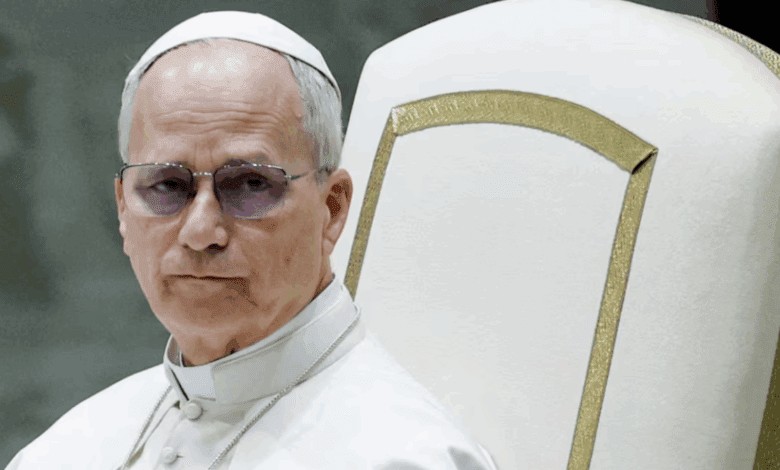
For the first time in Spain’s history, the head of the Catholic Church will make an official visit to the Congress of Deputies. This event has already sparked lively debate among politicians and believers alike, as such a visit could influence the balance between religion and state institutions. Amid rising political tensions and ongoing public discussions about the church’s role in national life, the arrival of Pope León XIV takes on special significance for Spanish society.
According to El Pais, the pontiff is scheduled to arrive on June 8, when a ceremonial session will be held in the lower house of parliament in Madrid. The visit is organized at the initiative of the Vatican, with preparations underway at the highest level. Both houses, along with key figures from Spain’s political and religious spheres, are expected to attend. Previously, such sessions were held only for leaders of other nations, underscoring the uniqueness of this occasion.
The pontiff’s itinerary
The travel plans for Pope León XIV’s visit to Spain have yet to be finalized, but it is already known that he will visit more than just Madrid. In Barcelona, the Pope will take part in the inauguration of the new Jesus Christ Tower at the Sagrada Familia Basilica, dedicated to the centenary of architect Antonio Gaudí’s death. The tour will also include a stop in the Canary Islands, where the Pope intends to draw attention to the ongoing issue of migration by sea, which remains one of the most pressing challenges for the region.
The visit to Congress was an unexpected addition to the itinerary. Organizers stress that such an event is not only symbolic, but could also mark the beginning of a new stage in relations between the church and the state. In the past 15 years, no pontiff has visited Spain, making this current visit especially significant against the backdrop of societal changes.
Reaction of the Church and Society
The announcement of the visit coincided with statements from Spanish bishops, who expressed concern over the growing political polarization. In their view, social tensions could seep into church communities, raising concerns within the leadership of the Catholic Church. In recent weeks, there has been ongoing debate about the influence of radical political movements on believers and attempts to use the church to gain votes in elections.
The secretary of the Episcopal Conference noted that diversity of viewpoints is important for democracy, but turning opponents into enemies poses risks to unity. Pope Leo XIV has repeatedly emphasized the importance of dialogue and cohesion, especially during times of social conflict. His visit is seen as an attempt to remind people of the need to seek compromise and avoid extremes.
Context and Consequences
The pontiff’s visit to parliament could serve as a signal to politicians and citizens about the importance of respecting diverse viewpoints. At a time when society is facing challenges related to migration, economic difficulties, and ideological differences, such gestures take on particular significance. Organizers hope that the arrival of the head of the Catholic Church will help ease tensions and provide an opportunity for constructive dialogue across different segments of the population.
According to El Pais, discussions about the visit are already underway at all levels — from parliamentary committees to local church parishes. Many see this event as a chance to renew relations between the church and the state, as well as an opportunity to rethink the role of religion in contemporary Spain.
In recent years, Spain has repeatedly become the stage for important meetings between church representatives and state institutions. For example, the visits of Pope Benedict XVI and Pope Francis were accompanied by large-scale events and debates on secularism and religious traditions. Each such visit sparked considerable public response and prompted new discussions about the church’s place in the country’s life. Against the backdrop of current changes, Pope Leon XIV’s visit to Congress could become one of the most talked-about events of the decade.