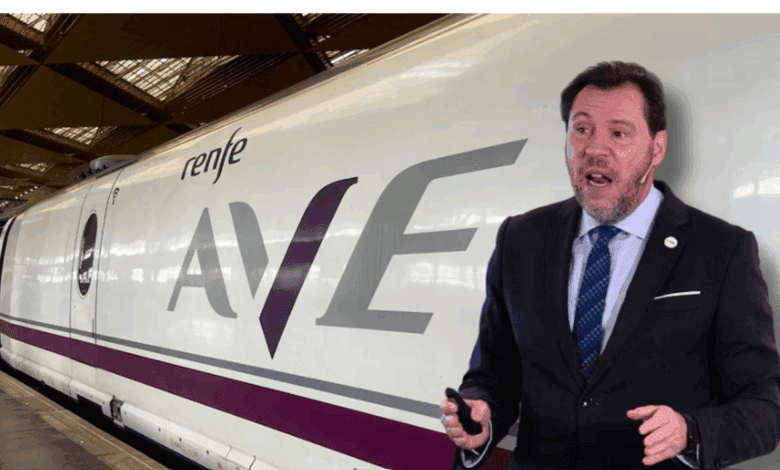
The Ministry of Transport of Spain has announced a provisional date when high-speed rail service between Madrid and Andalusia could be partially restored. According to the head of the ministry, train traffic on one of the damaged tracks is expected to resume around February 2. This decision comes amid the ongoing investigation into the large-scale accident that shocked the country and left thousands of passengers without the usual connection between the center and the south.
In an interview on a national television channel, the minister noted that rail infrastructure specialists are working to get trains back on track as soon as possible, at least on one line. However, passengers will have to accept temporary restrictions: train speeds will be reduced and travel times will increase. Still, even such a partial launch will help restore this crucial transport artery between Madrid and the major cities of Andalusia.
Emergency measures
While railway workers are dealing with the aftermath of the catastrophe, airlines are rushing to adapt to the changed situation. Major carriers, including Iberia and Air Europa, have increased the number of flights between Madrid, Sevilla, and Málaga. Additional planes and higher flight frequencies are intended to at least partially offset the lack of high-speed trains. Preliminary reports indicate these measures will remain in place at least until the end of the week, pending more clarity on the restoration of rail service.
Passengers accustomed to the comfort and speed of trains are now forced to switch to planes or look for alternative routes. The situation at train stations and airports remains tense: demand for tickets has surged, and many flights are fully booked several days in advance. Authorities are urging citizens to be patient and stay updated on schedule changes.
Investigation ongoing
Meanwhile, the investigation into the tragedy in Adamuz (Adamuz, Córdoba) is gaining momentum. The Commission for the Investigation of Transport Accidents is analyzing data from the collision between two trains— Iryo and Alvia— which left 40 people dead and more than a hundred injured to varying degrees. Investigators are considering several scenarios, including a possible weld failure on the rail. However, it remains unclear whether this defect caused the accident or appeared after the collision.
The Transport Minister emphasized that it is too early to draw conclusions: experts are continuing to examine the technical condition of the tracks, review surveillance footage, and interview witnesses. The question of whether the tragedy could have been prevented remains unresolved. Public dissatisfaction and anxiety are rising, with many demanding stricter monitoring of railway infrastructure and higher safety standards.
Challenges for the Country
The accident near Córdoba has become the largest rail disaster in Spain in recent years. It has not only disrupted the daily lives of thousands, but has also called into question the reliability of one of Europe’s most advanced transport systems. Authorities have pledged to do everything possible to restore service quickly and prevent similar tragedies in the future, but public trust in the railway has been shaken.
While experts debate the causes and consequences, ordinary citizens are waiting to get back to normal life. There is hope that temporary measures and partial reopening of the line will help ease tensions, at least in part, and that the investigation will provide answers to the most pressing questions.