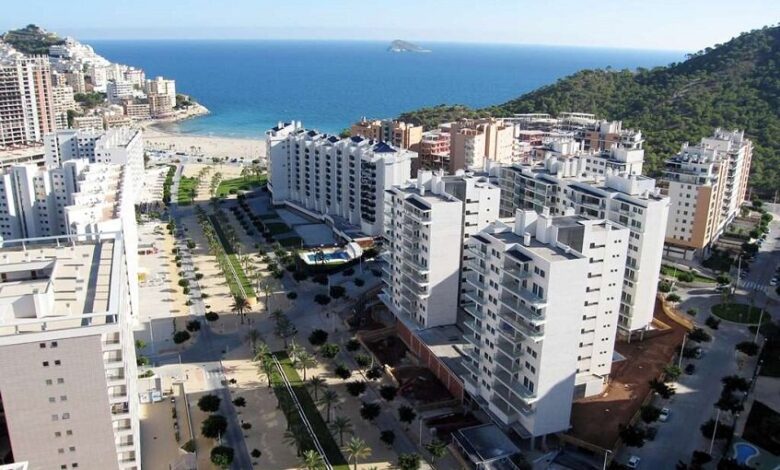
Current situation in the housing market
In 2025, the Spanish real estate market is showing record results. The average sale price per square meter has reached €2,438, an all-time high. Over the past year, prices have increased by 14%. Rental rates have also set new records at €14.6 per square meter, almost 10% higher than last year. The growth is especially notable in major cities such as Madrid, Barcelona, and Malaga, where demand and price dynamics outpace the national average.
Factors influencing investment success
Before purchasing a property for investment, it is important to thoroughly assess its location. Areas with well-developed infrastructure, convenient transport, and future growth prospects are traditionally in demand. In city centers, the supply of new plots is limited, which contributes to further price increases for existing apartments. When choosing an area, it is worth considering not only the price, but also the potential tenant audience: families, students, professionals, or tourists. Each segment has its own housing requirements.
Market analysis and strategy selection
Before purchasing, it is recommended to conduct a thorough market analysis in the area of interest. Studying price trends, forecasts, and demand features will help avoid overvalued properties. Consulting an experienced real estate agent can provide additional insight into the specifics of the local market. It is also important to decide on a source of financing. Most investors use mortgage loans, so choosing the appropriate program (fixed, variable, or mixed rate) directly affects overall profitability. You should consider not only the interest rate, but also additional expenses such as fees, insurance, related services, and the loan term.
Taxes and additional costs
Buying property in Spain involves mandatory taxes and fees. New properties are subject to value-added tax (IVA): 10% for residential units, 21% for commercial, and 4% for social housing. In addition, a stamp duty (AJD) is paid, the amount of which depends on the region and usually ranges from 0.5% to 1.5% of the transaction value. For secondary housing, instead of IVA, a property transfer tax (ITP) is charged, which ranges from 6% to 11% depending on the autonomous community. These expenses are supplemented by notary services, registration, and possible homeowners’ association fees. The owner will also be responsible for ongoing costs: utilities, property tax (IBI), and insurance.
Choosing the type of property and calculating profitability
Return on investment depends on the type of property purchased. New developments require minimal maintenance, offer modern standards and energy efficiency, but are more expensive and are often delivered with delays. Resale properties are usually cheaper and located in well-established neighborhoods, but may require renovation. Buying a property for reconstruction allows you to increase its value through improvements, but this requires additional investment and time. Before buying, it’s important to calculate not only the potential income from renting or reselling, but also to consider all related expenses: mortgage, taxes, maintenance, and vacancy periods.
Investment Strategies and Risks
Popular strategies include long-term rentals, short-term rentals for tourists, and buying properties for renovation and subsequent resale. Each approach has its advantages and disadvantages: stable income, high returns, but also risks related to changes in legislation, market fluctuations, and additional management costs. In recent years, government regulation of rentals has tightened, affecting both profitability and property availability for investors. Before making a decision, it’s important to assess your investment horizon and be prepared for possible market changes.