A high-profile trial continues in the Castellón provincial court over a sect that operated in the secluded masía La Chaparra (La Chaparra de Vistabella). Six people are in the dock, including relatives of the group’s leader, known as tío Toni, who died in prison. During the hearings, eight experts — including doctors, psychiatrists, forensic psychologists, and criminologists — presented the results of their investigations, shedding light on the scale of the crimes and their impact on the victims.
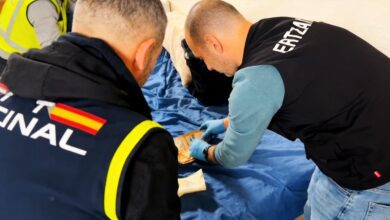
Expert reports confirmed that systematic sexual abuse took place within the sect, including crimes against minors. The case materials include evidence such as biological traces on seized items and victim testimonies. The files describe incidents of forced touching, the use of sexual devices, public acts, and other forms of violence. All of this occurred in an environment of total control and manipulation, where participants’ personal boundaries were eroded.
Psychological consequences and the destruction of identity
Psychologists and psychiatrists who worked with former sect members report that many still struggle to return to a normal life. Victims show severe aftereffects — constant anxiety, behavioral problems, intimacy issues, and difficulties coping with everyday tasks. Some require long-term treatment to try to regain even a partial sense of self.
Experts paid particular attention to the phenomenon known as ‘pseudo-identity.’ Under the strict ideological control imposed by Uncle Toni, people developed a new, artificially imposed personality. This allowed them to survive within the closed world of the sect, but after leaving it, they suffered from a deep internal crisis. This process was especially difficult for children, who from an early age were subject to manipulation and deprived of the opportunity to develop their own individuality.
Judicial assessment and characterization of the accused
During the trial, experts also examined six of the defendants. According to their findings, none of the accused suffered from mental disorders or pathologies that could explain their involvement in the crimes. Most of them led ordinary lives, showing no signs of deviant behavior. However, the prosecution argued that these individuals helped the sect leader carry out his criminal intentions, becoming indispensable accomplices in rituals and acts of violence.
Interestingly, many of the accused deny any involvement and do not acknowledge the facts presented in the charges. Nevertheless, experts note that their ability to adapt socially and maintain a normal lifestyle stands in stark contrast to the victims, whose mental health has been shattered.
Victims’ memories and mechanisms of manipulation
A psychologist who worked with former members of the cult recalls their first meeting with seven victims: “I was faced with people who were completely broken, disoriented, in shock, and suffering from severe anxiety.” For eight hours, they shared their stories, gradually piecing together the events they had endured. Later, individual interviews helped confirm the accuracy of their accounts and document the harm caused.
As a result, four of them decided to go to the police. At the time, two minors were still living in the masia. Shortly after the investigation began, police launched an operation to dismantle the cult.
Almost all of the victims interviewed reported multiple forms of abuse — emotional, psychological, financial, and sexual. Many were unaware of what was happening to others, as the sect was organized in “layers”: the closer you were to the leader, the more you knew. During therapy sessions, the victims gradually recalled forgotten or suppressed traumas, experienced panic attacks, doubted their own sanity, and even struggled with paranoid thoughts. All of these are typical effects of breaking free from an environment of total mind control.
Childhood Under Control and an Artificial Reality
The most severe consequences were found in children who grew up in the sect. Their memories fall into two periods: at first, an illusory, “ideal” childhood, where Uncle Tony played the role of a caring father, and later, during adolescence, they were convinced that sexual practices were necessary for “spiritual growth” and “healing.” Adult adherents were also subjected to similar manipulation: there was no free time, and any attempt at independent thought was suppressed.
Psychiatrists note that such conditions lead to the formation of a pseudo-identity, allowing a person to adapt to a hostile environment. For children, this becomes the only possible model of behavior, resulting in serious consequences later in life.
Victims’ motivation and lack of self-interest
Experts emphasize that in none of the cases were there signs of fabrication or self-serving motives. The victims were not seeking financial gain; their goal was to restore justice and to have the harm they suffered recognized. For many, this is the only way to regain lost dignity and move forward with their lives.