In Spain, choosing a name for a child often reflects not only family traditions but also parents’ desire to stand out. New data shows that some names, despite their beauty and European origin, remain almost unnoticed in the country. Brunella is one such example: this name is known in Italy, France, Argentina, and the USA, but in Spain only 68 women bear it, and it is most often found in the Canary Islands. These statistics highlight how local preferences and cultural nuances influence name choices.
Rarity and geography
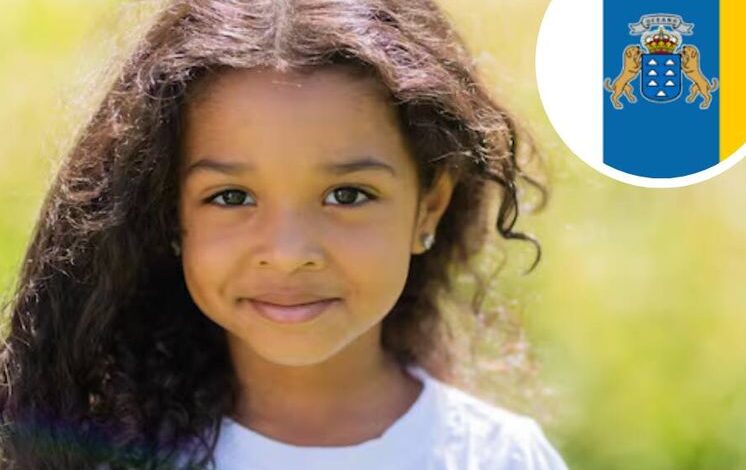
Brunella is a name that is almost never seen in Spanish classrooms or newborn registries. According to El confidencial, the average age of women with this name is just over 23 years old. In the Canary Islands, especially Tenerife and Las Palmas, Brunella is noticeably more common than in Madrid or Barcelona. This is explained by the region’s historical ties with Italy and the influence of migration flows. In other parts of the country, the name remains exotic, making it appealing to parents seeking unique options.
In recent years, Spain has seen a trend toward choosing rare names to emphasize a child’s individuality. Brunella fits this trend perfectly: it sounds unusual yet is easy to pronounce and doesn’t evoke associations with any particular era. Parents who choose this name often want to avoid repetitive and trendy options, preferring something distinctive but not flamboyant.
Meaning and associations
The name Brunella has Italian roots and comes from the word “brun,” meaning “dark” or “brown.” Traditionally, it is associated with the image of a girl with dark hair and a strong character. In Italy and Latin America, Brunella is linked with reliability, loyalty, and responsibility. These qualities are also valued in Spain, but the name has yet to gain widespread popularity.
Among the most notable bearers of the name are the Peruvian model and entrepreneur Brunella Horna, as well as the Italian actress Brunella Bovo, known for her roles in iconic mid-20th century films. Nevertheless, in Spain the name remains largely unfamiliar, which only adds to its appeal for those seeking something unique.
Practicality and Perception
One of the main concerns parents have when choosing a rare name is its complexity for perception and pronunciation. However, Brunella does not have these drawbacks: it sounds melodic, is easy to remember, and poses no difficulty for Spanish speakers. The name is not tied to a particular generation, making it suitable both for newborns and adult women.
In a time when many popular names quickly lose their uniqueness due to widespread use, Brunella stands apart from fleeting trends. This name combines a classical foundation, Italian musicality, and rarity, making it especially noticeable among other options. On the Canary Islands, it has become something of a symbol of individuality, although elsewhere in Spain it remains uncommon.
Context and Trends
In recent years, Spain has seen increasing discussions around names, shaped by cultural traditions and the impact of migration. The emergence of new, rare names like Brunella reflects shifts in society and a drive for diversity. According to El confidencial, similar cases have been reported with other foreign names, initially seen as exotic but gradually entering everyday use.
In 2025, Spain debated the disappearance of certain traditional female names, each now held by fewer than 30 people. These trends indicate that interest in unique and rare names is only growing. Brunella is an example of how a name can become a symbol of change and individuality in modern Spain.