The situation on Catalonia’s suburban railways (Rodalies) is once again in the spotlight. For thousands of local residents, reliable train service is more than just a comfort—it’s a vital necessity. After a recent series of disruptions and a tragic incident on the line near Gelida, many hoped the regular schedule would be restored quickly. However, the reality has proved much harsher: even with trains back on the routes, problems have not disappeared, but have merely taken on new forms.
Passengers who rely on Rodalies every day report constant delays and overcrowded trains. Lucia, who lives in the northern section of the R2 line, compares her commute to traveling in a tin can: there’s no personal space, and the atmosphere is more like weekends when train frequency is reduced. She admits she can’t even remember the last time the service ran without disruptions. For Mari Cruz, who works in Castelldefels, getting to work has become a daily ordeal: what used to be less than an hour now often stretches to two hours or more. According to her, the situation hasn’t improved in years, and hopes for change are fading with each passing day.
A journey without guarantees
Checking the route from Sants station to Sant Vicenç de Calders clearly illustrates the scale of the problem. A typical two-hour trip turns into a five-hour ordeal: bus transfers, long waits on platforms, and a lack of information. Even Renfe staff sent from Madrid to oversee the situation try to remain optimistic, assuring passengers that no one will be left behind on the platform. But travelers do not share their confidence.
Every day brings new stories. Paquito, a window cleaner, is forced to take his bike to somehow make up for the delays. Alicia, who only needs to travel a few kilometers, spends two hours on the road. Anya, a minor passenger, cannot understand how people can be left to their own devices. Jorge, afraid of being late for work, is constantly stressed. Station employees like Eva and Alexandra do everything they can to help, but their efforts often feel like a drop in the ocean.
Points of tension
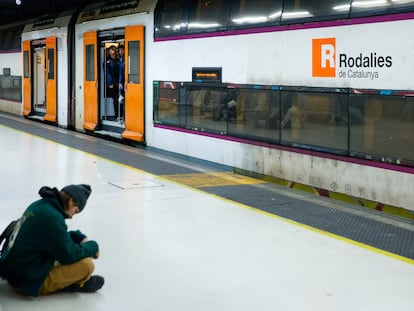
Sant Vicenç de Calders station, a key railway hub of the region, has become a symbol of uncertainty. Here, passengers like Diego and Marisa have to look for alternative ways to reach their destinations. Waiting for trains turns into a lottery: no one knows when or where the next train will go. Outwardly, everything seems calm, but beneath the surface lies a tense atmosphere and growing discontent.
Even short routes between small towns and the capitals of comarcas have become unpredictable. For many, the train is the only way to pick up their child from school on time or make it to classes. The lack of benches and shelters on the platforms makes waiting especially painful, particularly for the elderly and parents with children.
Everyday chaos
The Rodalies crisis has affected all segments of society. People used to a certain schedule now have to plan around potential disruptions. Transport system workers show patience and do their best to maintain order, but their resources are limited. Every day brings new challenges: a sudden cancellation, an overcrowded carriage, or a lack of information about connections.
As a result, for thousands of Catalans, commuting to work or school has turned into a lottery. Waiting on platforms, searching for alternative routes, and constant stress have become part of daily life. And as the situation remains unchanged, the patience of both passengers and railway staff is put to the test.