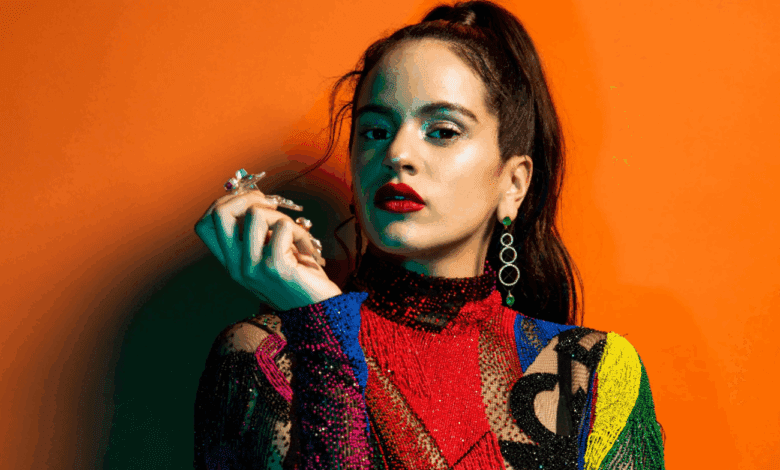
A new debate has erupted in Spain over the boundaries of free speech for public figures. The catalyst was Rosalía’s reaction to a wave of criticism following her comments about Picasso. The situation has taken on particular importance for Spanish society, where questions of feminism and cultural heritage often spark heated discussion. Rosalía’s case clearly shows how quickly public statements can trigger widespread debate and external pressure.
In early March, during a Spotify conversation with writer Mariana Enriquez, Rosalía raised the issue of separating the artist from their art. Her reflections on Picasso sparked a strong response on social media. Many users saw her remarks as insufficiently thoughtful and accused her of disrespecting feminist values. In response to the criticism, the singer made a public statement acknowledging her mistake and admitting she felt uncomfortable about what she had said.
Reaction and consequences
Rosalía emphasized the importance of not discussing complex topics without adequate knowledge. She also expressed appreciation for the feminist movement, noting that her work and views are closely linked to it. However, she admitted, it is not always easy to communicate her position to a wide audience. This episode exemplifies how contemporary artists must constantly monitor their statements to avoid negative fallout.
Discussion in Spanish media and social networks quickly went beyond a single individual. Many commentators noted that the pressure on public figures is increasing, and any careless remark can lead to accusations and demands for apologies. According to RUSSPAIN.COM, such situations are becoming more frequent, affecting the atmosphere in the country’s cultural scene.
Social networks and cancel culture
In recent years, Spain has seen a marked trend towards instant reactions to any controversial statements by well-known individuals. Cancel culture, which originated in English-speaking countries, is increasingly evident in Spanish society. Artists, writers, and other public figures are forced to consider not only their beliefs but also the possible reaction of the audience. As a result, spontaneity and sincerity in public appearances have become rare.
Rosalía pointed out that in a polarized society, any opinion that is not fully formed can be perceived as supporting the opposing side. As a result, many people prefer to avoid commenting on sensitive topics to escape criticism. This situation reflects a broader trend, where fear of public condemnation impacts freedom of expression.
Context and similar cases
In recent years, Spain has repeatedly faced scandals involving the statements of artists and cultural figures. For example, discussions about the work of well-known painters or writers are often accompanied by debates over whether it is acceptable to separate their personal lives from their artistic contributions. In 2025, a similar situation occurred with another musician, who was also forced to publicly apologize for his comments about classics of Spanish culture. These cases show that public opinion is becoming increasingly demanding of public figures, while the pressure from social media continues to grow.