The incident in Milan has become a cause for concern among Rosalía’s fans and the entire Spanish music industry. The interruption of the concert due to the artist’s sudden illness not only disappointed the audience but also cast doubt on the stability of the European leg of her tour. For Spanish fans, this could mean possible changes in the schedule of highly anticipated shows, and for organizers, the need to respond quickly to new circumstances.
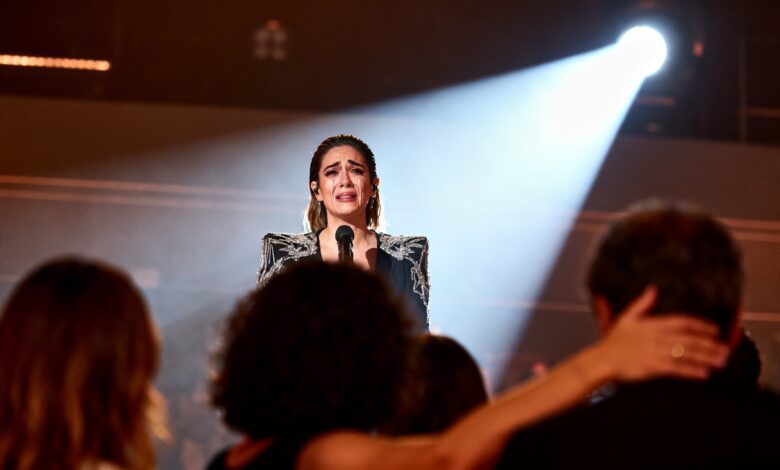
The evening of March 25 in Milan was expected to be one of the highlights of the European stage of the _LUX_ tour. However, at the very beginning of the performance, it became clear that the artist was struggling. Fans noticed that Rosalía was having a hard time remaining on stage, and her condition raised concerns. Just a few minutes after the show started, the singer was forced to stop the concert, explaining to the audience that she could not continue due to a sudden decline in her health.
Causes and audience reaction
It was later revealed that the disruption was caused by severe food poisoning. Rosalía tried to take the stage despite feeling unwell, but her physical condition did not allow her to complete the program. According to her, she felt very weak and was even vomiting backstage, but until the last moment she hoped to perform for her fans. The decision to cancel the concert was difficult, but health proved to be the top priority.
The audience in Milan responded to the situation with understanding. Instead of outrage, spectators supported the artist, expressing sympathy and wishing her a speedy recovery. Many noted that even under difficult circumstances, Rosalía showed respect for her fans by personally explaining the reasons for the cancellation and promising to return when her health allows.
Impact on the tour and plans in Spain
The canceled concert in Milan has raised questions about Rosalía’s upcoming performances, especially in Spain, where tickets for shows in Madrid and Barcelona sold out within hours. Organizers have not yet announced any schedule changes, but the situation remains tense. The next tour dates—a series of shows at Movistar Arena in Madrid and performances at Palau Sant Jordi in Barcelona—have become particularly significant for fans and the artist herself.
The Semana Santa period traditionally brings many visitors to the capital, and the cancellation or rescheduling of concerts could affect the plans of thousands. In Barcelona, where Rosalía performs on her home turf, expectations are especially high. According to RUSSPAIN.COM, such incidents may prompt a reconsideration of medical support standards for touring artists and tougher requirements for organizing large events.
Context and similar cases
In recent years, European tours have repeatedly faced unexpected cancellations due to performers’ health issues. In 2024, several major concerts in Paris and Berlin were called off for similar reasons, sparking a debate about the need for more flexible conditions for artists. Spain has also seen instances where renowned musicians had to reschedule shows because of sudden deteriorations in health. These events highlight the importance of prompt communication between organizers and the public, as well as the need to be prepared for unforeseen situations at major cultural events.