This year, Easter has brought unexpected changes for Madrid residents and visitors: rural tourism reached an 82% occupancy rate—its highest level in years. This figure is well above the national average, highlighting a growing interest in getting away from urban noise. According to El Pais, demand for accommodation in villages and small towns across the Madrid region was so high that many places were fully booked well before the holidays.
The surge was fueled not only by traditional routes but also by city dwellers wanting a change of scenery after prolonged rains leading up to Easter. March, a month usually busy with tourists, saw plans disrupted by the weather, prompting many to make up for lost time now. As a result, El Pais reports that booking rates in Madrid’s rural hotels exceeded the Spanish average.
Demand trends
Interest has grown especially in destinations like Rascafría, Buitrago de Lozoya, and San Martín de Valdeiglesias. In these areas, El Pais notes, searches for accommodation jumped more than twofold over last year. For example, Rascafría saw a 232% increase and Buitrago de Lozoya 207%. Similar trends were seen in other popular spots, including Chinchón, Cercedilla, San Lorenzo del Escorial, Aranjuez, and Navacerrada.
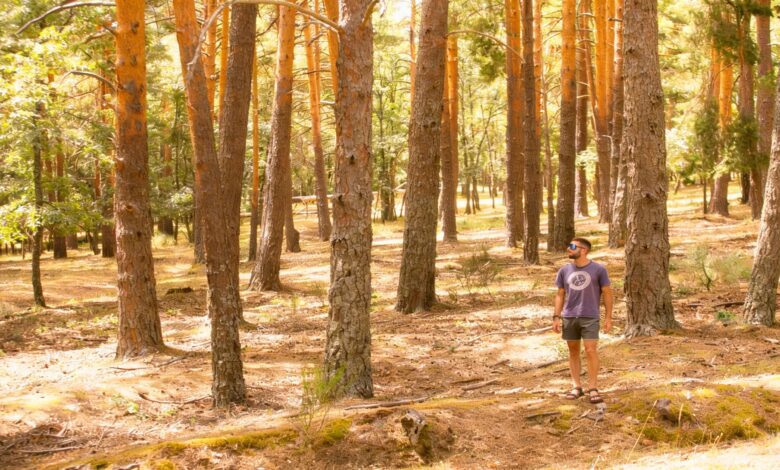
Experts attribute this surge to shifting tourist preferences. People are increasingly choosing peaceful natural areas over traditional city routes. New opportunities for outdoor activities have emerged in Madrid’s rural regions: hiking and cycling trails, birdwatching, horseback tours, and gastronomic programs. This helps diversify leisure options and attract different categories of visitors—from families with children to foreign travelers.
Economic challenges
Despite robust demand, some hotel owners report that this season is less successful than in previous years. The reason is economic instability and rising fuel prices caused by events in the Middle East. This impacts tourist spending, pushing them to opt for more affordable accommodations or to shorten the duration of their trips.
At the same time, according to El Pais, the diversity of visitors remains a hallmark of rural tourism in Madrid. Guests include both foreigners and residents of the capital seeking seclusion and a chance to enjoy nature. In Cercedilla, for instance, tourists value the quiet, clean air, and the opportunity to try local cuisine. For many, it is precisely the combination of nature and comfort that becomes the key factor when choosing a holiday destination.
New routes and traditions
Easter celebrations in Madrid are not limited to religious processions and city events. In the region’s rural areas, tourists are offered unique routes: birdwatching for raptors in the Sierra de Guadarrama, hikes to waterfalls such as the Cascada del Purgatorio in Rascafría, and active recreation along the Camino Natural del Valle, which is ideal for walking and cycling tours through the Lozoya valley.
Chinchón holds a special place, hosting the theatrical performance La Pasión de Chinchón every Holy Saturday. This event, recognized as a national treasure, draws thousands of spectators and transforms the town into a makeshift Jerusalem. The festive atmosphere, torchlight, and participation of local residents make it one of the most spectacular events in the region.
Context and comparisons
In recent years, rural tourism in Spain has seen steady growth, especially during national holidays. In 2025, a similar rise in bookings was recorded in Catalonia and Andalusia, where demand for village accommodation also surpassed 80%. Experts point out that such trends reflect a desire for new vacation formats and a preference for avoiding crowds. Amid unpredictable weather and economic challenges, rural regions are increasingly attracting those who value tranquility and authenticity.