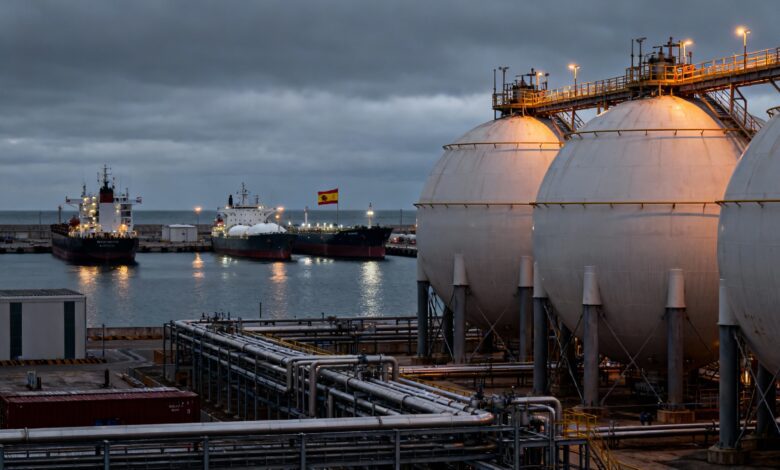
In 2025, Spain surprised the energy market: purchases of Russian liquefied natural gas (LNG) fell sharply. Over the year, the country bought 42,629 GWh of LNG from Russia—just 11.4% of all imported LNG. By comparison, the previous year this figure was significantly higher at 72,360 GWh. The decrease amounted to an impressive 41.1%. Russia, which recently was among the top suppliers, now ranks only third in LNG shipments to Spain, giving way to the USA and Algeria.
Such a drop could not go unnoticed. For the first time since 2022, Russian gas has reached such a low share in Spain’s import structure. In December 2025, despite the overall trend, Russia did take second place in monthly supply volume, providing 21.1% of the total. But this is more the exception than the rule: by year’s end, the trend is clear—Spain is steadily moving away from Russian gas.
Market Trends
Spain’s energy sector is undergoing changes that are hard to ignore. While Russian LNG used to be a key element in the country’s energy balance, its share is now shrinking rapidly. The reasons for this shift vary—from political decisions to fluctuations in the global energy market. But the fact remains: Spain is actively diversifying its gas sources.
Algeria and the US now dictate the terms in Spain’s LNG market. Russia, despite its former volumes, is being forced to cede ground. In December 2025, when Russian gas volumes unexpectedly increased, it looked more like a temporary spike than a real return to previous levels. Overall, Spain has shifted its bets to other suppliers over the course of the year.
Economic impact
The reduction in purchases of Russian LNG inevitably affected economic relations between the countries. For Spain, this move brings greater independence and flexibility on the global market. For Russia, it means the loss of a significant share of one of Europe’s largest markets. Still, Spanish companies appear unfazed by the change. They quickly found alternatives, switching to supplies from Algeria and the US.
It remains to be seen how sustainable this trend will be. Yet one thing is already clear: Spain is not afraid to change the rules if it serves its interests. In energy, as in politics, there are no permanent allies—only profitable contracts.
Challenges and prospects
What lies ahead for Spain’s LNG market in the coming years? It’s clear the country will keep seeking new ways to secure its energy future. Reducing dependence on Russian gas is not just an economic choice, but part of a broader strategy. Amid global market instability and constant geopolitical risks, Spain is determined not to put all its eggs in one basket.
However, a complete abandonment of Russian LNG has not yet been achieved. Even in December 2025, despite an overall decline, Russia once again ranked among the top suppliers by volume. This indicates that the market remains flexible and prone to fluctuations. Still, the direction of change has already been set and is unlikely to shift in the near future.