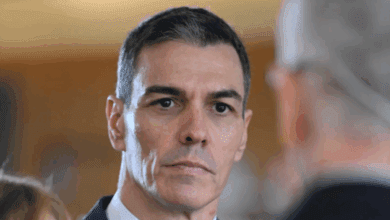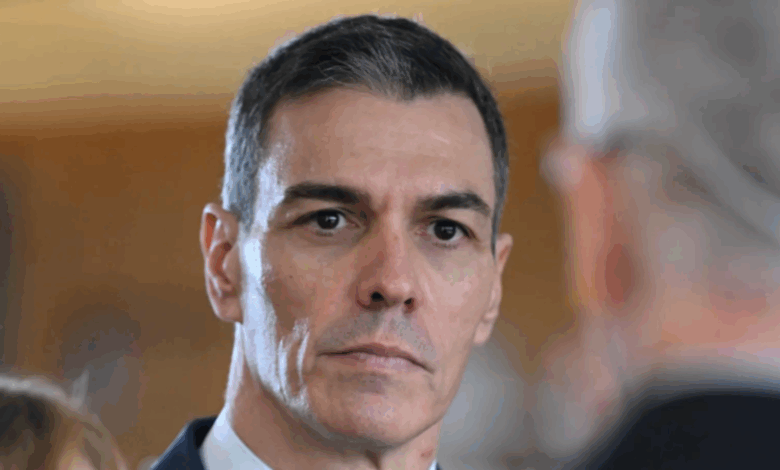
In the coming weeks, Spaniards will once again focus on the actions of the government: following the elections in Castilla y León, Prime Minister Sánchez plans to address Congress to discuss Spain’s involvement in developments surrounding the Iran conflict. This decision could affect the country’s international stance and spark new debates among politicians and the public. According to Ale Espanol, the discussion will take place without a vote on the deployment of the frigate Cristóbal Colón, which has already triggered mixed reactions among deputies.
The government has decided to proactively initiate the discussion in order to stay ahead of potential demands from the opposition. However, according to sources, the prime minister’s address will not take place until after the Castilla y León elections scheduled for March 15. Preliminary information suggests the session could be set for March 18, unless there are changes to the timetable. During this period, no plenary sessions are planned in Congress, in keeping with the tradition of suspending parliamentary activity during election campaigns.
Debate without a vote
Of particular note is the fact that the discussion does not include a vote on the deployment of the frigate Cristóbal Colón to support operations protecting Cyprus (Chipre). According to the government, moving the ship from the Baltic Sea to the Mediterranean does not require parliamentary approval, as it does not fall under the provisions of the national defense law. This decision has sparked discontent among certain political groups, notably Podemos, who have opposed the measure. As a result, even with the backing of its allies, the government will find it difficult to secure a majority in Congress on this issue.
Before the government submitted its own request for an address, Partido Popular had already filed a similar motion. Officials at Moncloa point out that Sánchez has no objection to an open debate, as he has successfully handled such situations before, like after the train accident in Ademuz. According to RUSSPAIN.COM, such debates often become a battleground for heated disputes between parties, reflecting the high level of political tension in the country.
Spain’s role and the international context
The question of Spain’s military involvement in international operations always draws widespread public attention. The decision to deploy the frigate Cristóbal Colón is linked to the need to strengthen Cyprus’s defense amid rising tensions in the region. However, the lack of a parliamentary vote on such a significant matter has raised concerns among some lawmakers, who believe that parliament should have a say in these decisions. As Ale Espanol reports, the government insists it acted strictly within the law, but the opposition is calling for greater transparency and public debate.
In recent years, Spain has repeatedly faced the need to respond to international challenges. For instance, when confronted with trade threats from the United States, the European Union took a strong stance to defend Spain’s interests, as discussed in detail in the article on Brussels’ response to external pressure — details on the EU’s position on defending Spain. Such events highlight the importance of the country’s ability to make swift decisions in the face of external instability.
Context and latest developments
In recent years, Spain has repeatedly found itself at the center of international debates over security issues and participation in overseas operations. Decisions to deploy navy ships or support allies have always sparked lively discussions in parliament and society. For instance, in 2024, Spain’s involvement in NATO missions in Eastern Europe was under debate, which also raised questions about the need for parliamentary oversight. These situations underscore that defense and foreign policy issues remain among the most sensitive for Spanish society and require special attention from the authorities.