Once, the AVE train was more than just transportation — it became a true symbol of change for Andalusia. For many local residents, this high-speed train stood for more than convenience and speed; it brought a sense of belonging to something greater. Memories of those first journeys still bring smiles and tears. Back then, when the train departed from Madrid’s Atocha station, passengers would find themselves in the very heart of Andalusia just a couple of hours later, reunited with family and friends. The atmosphere on board was unique: friendly staff, cozy interiors, even the accent — everything reminded you of home.
But for some residents of small towns like Adamuz, the arrival of the AVE was a real lifeline. In the late 1980s, when the region struggled with unemployment and population decline, the construction of the railway offered people a chance to stay on their native land. Those who once considered leaving in search of a better life found jobs on the project, investing their earnings in land and farming. Locals still say that AVE became their new agrarian reform, bringing hope and confidence in the future.
The beginning of change
The story of the high-speed train began from scratch. Engineers who worked on the project recall how, on an empty map of Cartuja Island (Cartuja) in Sevilla (Sevilla), they drew the first lines of the future exhibition and railway. At the time, no one could imagine that these sketches would transform the city and all of Andalusia. The project faced numerous challenges: technical difficulties, disputes between agencies, criticism from the press, which feared interference with Sevilla’s traditional appearance. However, despite all the obstacles, authorities at various levels managed to reach an agreement, and even the staunchest opponents of the project eventually supported it with enthusiasm.
The high-speed train became not only an engineering marvel but also a symbol of precision and comfort previously unknown to Spanish railways. In 1992, when the AVE was launched, it became part of a sweeping transformation tied to the World Expo in Sevilla. The city was renewed, and with it, all of Andalusia began to change.
Politics and a struggle for influence
The launch of the AVE was accompanied not only by technical but also by political battles. At a time when the whole country debated which city would be the first to have a high-speed link to Madrid, passions ran high. Many thought it would be more logical to connect the capital with Barcelona (Barcelona), but the decision in favor of Sevilla was an unexpected twist. Politicians made no secret of it: this was a gesture in support of the country’s most vulnerable region. Even those who criticized the ruling party admitted—the project could not have happened without its efforts.
Heated debates took place behind the scenes, while at official ceremonies, discussions continued about who most deserved to be first. On the day of the AVE’s inauguration in Seville, politicians vied for spots closest to the cameras. Memories of those events still stir strong emotions among the participants: some recall defending regional interests before the central government, others how they argued with colleagues over the future of the railway.
Urban transformations
It was not only Seville, but also other Andalusian cities that felt the impact of the high-speed train. In Córdoba, the AVE project sparked debates even within the local government: some advocated for developing conventional railways, others saw the high-speed train as an opportunity to modernize the city. Unexpected hurdles arose during construction—ancient Roman ruins were discovered beneath the future station, nearly bringing work to a halt. But after lengthy discussions and compromises, a solution was found, and the city gained a modern transport artery that changed its landscape.
Economists point out that the arrival of the AVE affected not just transportation accessibility, but also daily life. Many families managed to maintain relationships over distances, working in different cities and meeting thanks to the high-speed train. For some, the AVE meant a journey to celebration; for others, it was a route to work or study, and for some—a path to farewell or loss. Every carriage holds its own story, its own drama, its own hopes and disappointments.
Lost pride
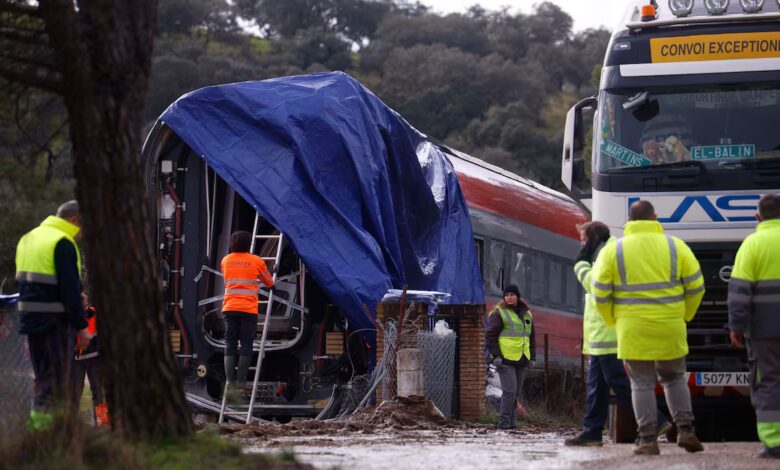
However, over the years, the shine and glory of AVE have begun to fade. Passengers increasingly complain about delays, breakdowns, and declining service quality. Those who once proudly called the train their second home now remember it with sadness. Engineers who pioneered the project admit: the current state of the railway causes concern and disappointment. Recent incidents have only reinforced the feeling that this symbol of progress is now on the verge of being forgotten.
Today in Andalusia, more and more voices are calling to restore trust in the train and revive that very ‘spirit of ’92’ that once united people for a common goal. While some debate the reasons for the decline, others still hope that AVE will once again become the pride of the region, rather than a source of nostalgia and tears.