In Spain, there is growing interest in the real-world results of implementing environmental standards at energy facilities. The recent recognition of the solar station in Toledo with the highest award for sustainable development has sparked a discussion: how do such projects impact the environment, and what does this mean for the future of the country’s energy sector? For local residents, this is more than just another news story — it’s about changes that could transform approaches to rural development and biodiversity conservation.
Unexpected changes
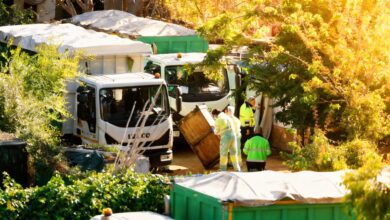
The solar power plant in Barcience, located in the municipality of Bargas, became the first in the province to implement a comprehensive program integrating social and environmental initiatives. One highlight was the project to restore the population of the lesser kestrel (cernícalo primilla), a rare bird of prey traditionally associated with Spain’s agricultural landscapes. Not long ago, no individuals of this species could be found here, but now around thirty birds, including adults and chicks, inhabit the area. Two pairs have already settled in specially designed nesting structures right on the station’s grounds.
This achievement was made possible thanks to collaboration with the Center for the Rehabilitation of Birds of Prey. Environmentalists note that the arrival of new nesting sites and the return of the kestrel to the region is a rare occurrence for industrial sites. The event sparked mixed reactions: some experts see it as a breakthrough in reconciling energy production with conservation, while others point to potential risks for ecosystem balance.
Environmental innovations
In 2023, the station launched another project—installing beehives to support pollinator populations. Bees and other insects, vital for agriculture and natural ecosystems, gained new habitats right among the solar panels. This solution not only helps preserve biodiversity but also demonstrates that renewable energy can be integrated with environmental protection goals.
Introducing such initiatives has become part of a program to harmonize energy production and environmental protection. The company emphasizes that these measures not only reduce negative impacts on nature but also increase the value of rural areas, which have traditionally lacked investment and job opportunities.
Regional impact
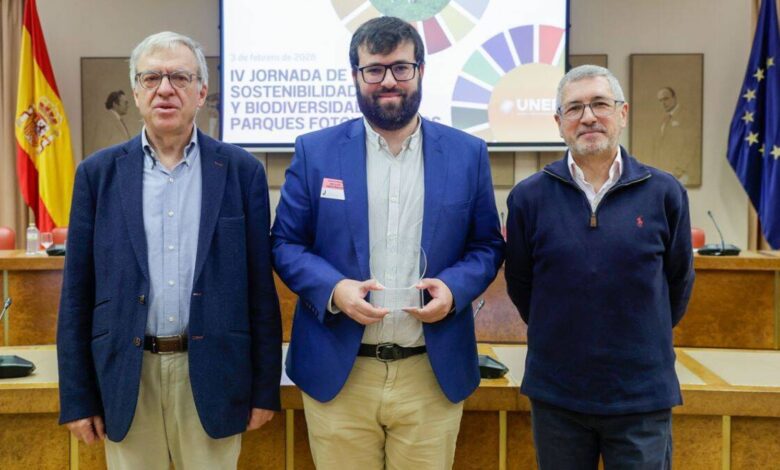
Receiving the prestigious distinction from the national photovoltaic association (UNEF) was not only a recognition of achievement for the station in Barxeta, but also a challenge to others in the market. Now, attention to social and environmental aspects has become a mandatory requirement for new renewable energy projects. The region is already discussing how such standards might impact the development of other sites and change attitudes towards land use.
Local residents point out that the creation of new jobs and improvement of infrastructure go hand in hand with environmental care. However, not everyone agrees that such projects are always beneficial. Some fear that the rapid growth of solar parks may lead to unpredictable consequences for traditional agriculture and local wildlife.
Context and trends
In recent years, Spain has seen an increase in projects that combine renewable energy production with nature conservation programs. Catalonia and Andalusia have already launched initiatives to restore populations of rare birds and create special pollinator zones within solar parks. In the Valencian Community, there is ongoing discussion about integrating solar power stations with traditional farming, allowing for job preservation and supporting biodiversity.
Experts note that such projects are becoming the new standard for the industry. At the same time, debates about balancing economic development and environmental protection continue. In some regions, local communities are demanding additional guarantees and oversight regarding the impact of new facilities on the environment. The question of how to reconcile the interests of the energy sector, agriculture, and ecology remains open and calls for further solutions.