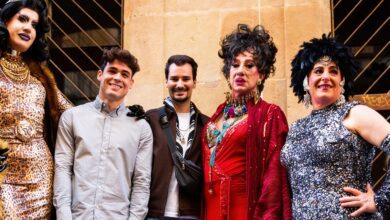
In Madrid, attention to cultural life has surged after former ballet director Antonio Castilla Algarra unexpectedly returned to the stage. His dismissal from the Education Council became one of the most talked-about events in the capital, and his new theatrical work sparked a wave of interest and discussion. For many in Spain, this story became a striking example of how political changes can impact the cultural scene and influence public sentiment.
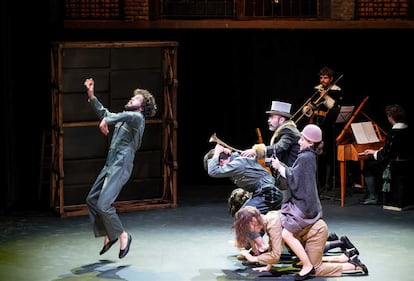
The production of “Más acá de los romances” (“Beyond the Ballads”) debuted at the Real Teatro de Retiro, quickly drawing a large audience. More than 75% of seats were filled, even though the director’s name had recently been linked to a high-profile scandal within the Madrid government. As El Pais reports, the audience came not only for the art, but also to see how the former official would handle his new role.
Theatre and politics
At the heart of the play are the figures of philologist Ramón Menéndez Pidal, his wife María Goyri, and their daughter Jimena, along with reflections on the legacy of essayist Julián Marías. Algarra, who founded the troupe For the Fun of it and the Príncipe Baltasar Carlos Association, uses the stage to explore the role of Spanish ‘romancero’ in shaping national culture. The performance is infused with nostalgia for bygone traditions and concern over the erosion of cultural unity.
Special attention is given to the themes of identity and language policy. The play raises questions about preserving the Spanish language and traditions, as well as the impact of educational reforms on cultural memory. According to El Pais, the production includes criticism of modern trends such as reducing the celebration of the Spanish National Day (Día de la Hispanidad) in schools and debates around bilingualism.
Education and Memory
Many former students recall that Algarra always placed particular importance on historical dates and national holidays. His teaching approach often sparked debate: some considered it overly romanticized, while others saw it as essential for preserving cultural continuity. The play also highlights the role of María Goyri as one of the first female professors in Spain and her fate during the Franco regime.
Critics note that the production combines deep literary analysis with a personal nostalgia for the past. Some experts, such as professor of American history Izaskun Álvarez, believe that the director idealizes the past and creates an image of Spain that does not always reflect reality. Nevertheless, the play has sparked lively discussions about how the past affects contemporary identity.
Funding and Reaction
The project received financial support of €26,000 from the Fundación del Teatro Real, which has sparked discussion in cultural circles. Many are questioning whether it is justified to fund productions that address controversial issues and provoke mixed reactions.
The premiere of ‘Más acá de los romances’ marked not only Algarra’s return to the arts but also ignited a broad debate on the role of theatre in shaping public opinion. In Madrid, discussions continue about how the director’s personal views influence the content of the performance and why his return has generated such widespread resonance.
In recent years, Spain has repeatedly witnessed cultural projects becoming the focus of public debate due to their political context. For instance, in 2025, an exhibition dedicated to Catalan identity was a subject of discussion in Barcelona, while in Valencia, a play about the Civil War sparked protests. These events demonstrate that art in Spain often serves as a platform for debating contentious issues and reflects social changes.