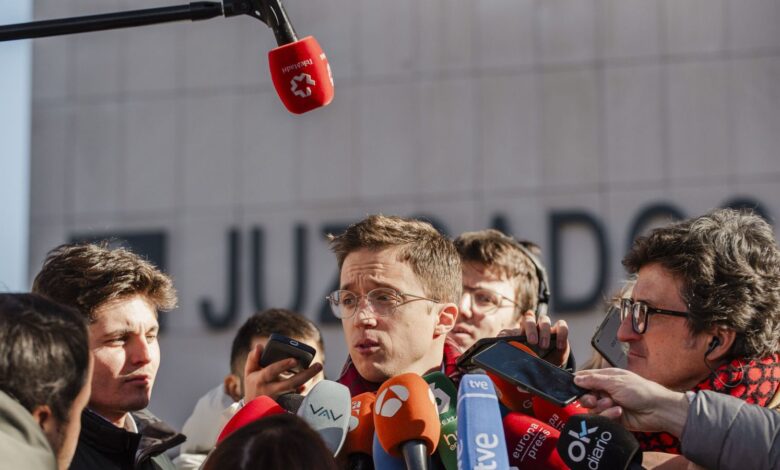
In Spain, the issue of public figures’ accountability is once again in the spotlight after a Madrid court agreed to consider a second complaint against Íñigo Errejón. The event has sparked significant public interest, as the case involves an alleged legal violation from October 2021. For Spanish society, such proceedings highlight changes in the approach to investigating sexual crime allegations, especially when a former politician is involved.
According to El Confidencial, the new complaint was filed by a woman who claims to have been a victim of Íñigo Errejón’s actions in the autumn of 2021. This marks the second time the former MP’s name has appeared in court documents on a similar issue. The first complaint was submitted by actress Elisa Mouliaá, and both women are represented by the same lawyer. Madrid’s judicial authorities have decided to open proceedings, underscoring the seriousness of the situation and the attention such allegations receive.
Public reaction
The public response to news about new complaints against high-profile figures in Spain is always intense. This time, the debate has been amplified against the backdrop of recent decisions on other high-profile cases involving accusations of sexual crimes among officials and public personalities. Many recall the resignation of the head of the Canary Islands Housing Institute after a sexual assault case was opened, as detailed in the report on consequences for leaders of public institutions. Such processes are shaping new standards of behavior and accountability for public officials.
The legal community notes that repeated complaints against the same individual can influence the course of an investigation and the court’s perception of the case. In Spain, these cases spark discussions on the need to reform legislation and strengthen measures to protect victims. At the same time, experts emphasize the importance of upholding the presumption of innocence and objectively considering each incident.
Judicial perspective
Recent court practice shows that cases of sexual offenses involving public figures often attract close attention from the media and society. In the case of Íñigo Errejón, the court’s decision to accept a second complaint for review could set a precedent for similar proceedings in the future. Lawyers for both plaintiffs stress that their clients expect a transparent and impartial trial.
Spain continues to debate the need to improve procedures for investigating such cases. Civil society organizations and human rights advocates are calling for stricter oversight of the actions of public figures and greater transparency in judicial processes. Meanwhile, political representatives are refraining from comments so as not to affect the ongoing investigation.
Context and trends
In recent years, Spain has seen a rise in cases launched over sexual offenses involving officials and public figures. An analysis by russpain.com points to an increase in such complaints and a growing number of proceedings where courts decide to open investigations. This reflects changes in public perception of the issue and increased trust in the judiciary.
According to El Confidencial, attention to sexual offense cases in Spain remains high, and every new incident sparks discussion about the effectiveness of law enforcement. Recent proceedings show that courts are increasingly accepting complaints, even regarding events that occurred several years ago. This indicates a shift in the approach to victims’ rights protection and tighter oversight of public figures’ actions.
For reference, it is worth noting that in the past two years, Spain has seen several high-profile cases involving allegations of sexual offenses against officials and public figures. For instance, in 2025, the Barcelona court opened proceedings against a former city administration advisor, while in Valencia, a case involving a local deputy was investigated. These cases sparked widespread public debate and served as a catalyst for reevaluating standards of conduct within government institutions. Such events highlight the importance of transparency and accountability in the work of authorities and the judicial system.