Second-hand shopping becomes the norm for millions
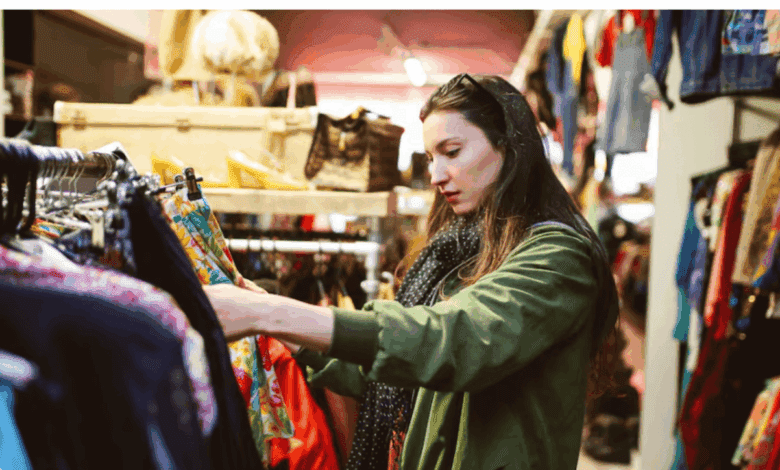
In recent years, Spain has seen a real boom in the second-hand market. Buying and selling pre-owned items is no longer limited to a few enthusiasts—it’s now part of everyday life for most Spaniards. According to recent studies, nearly seven out of ten people in Spain have bought something used at least once in the past year. Many do so regularly: some every few months, others even more often.
Interestingly, participation in this market goes beyond just buying. Around 87% of citizens are involved in some way: some sell, others swap, and many simply give away things they no longer need. This puts Spain among the European leaders in second-hand popularity. The reasons vary: for some it’s about saving money, for others it’s an ecological choice—or a way to find something unique.
Young people lead the way—but they’re not alone
Younger generations are especially active in the second-hand market. Millennials and Generation Z are more likely than others to buy pre-owned items. Among them, almost three out of four made such purchases in the past year, and one in four does so every month. But older generations aren’t far behind: six out of ten people from Generation X also take part in this trend.
The average annual spending on such purchases is about 200 euros. At the same time, consumers report that buying second-hand allows them to save up to 260 euros a year. Another interesting detail: most Spaniards review their closets and storage spaces at least once a year to decide what can be sold or given away. This practice promotes the circular economy and fosters a new attitude toward belongings.
What people buy and why they choose second-hand goods
Clothing, books, and electronics are the most sought-after items in the second-hand market. Young people are primarily interested in fashion, while older generations prefer books and electronic devices. When choosing electronics, Spaniards focus first on warranty and platform reliability, rather than just price or appearance.
Saving money remains the main motivation: 57% of buyers opt for pre-owned items to cut expenses and cope with rising prices. However, environmental reasons are becoming increasingly important—about 20% of respondents say that this supports sustainable consumption and helps protect the environment. For 12%, it is crucial to find unique or rare items that are hard to buy new.
Changing public attitudes and new challenges
Buying second-hand goods no longer carries a stigma. Most Spaniards believe that attitudes toward second-hand items have become much more positive. Many see this choice as a sign of sensible and responsible living. Nearly half of those surveyed take pride in making a conscious choice, and one in four consider themselves advocates of sustainable consumption.
Nevertheless, despite its growing popularity, the market still faces certain challenges. These include trust in sellers, product quality, and transaction transparency. Additionally, not all platforms are equally reliable, and some product categories require special attention to safety and guarantees.
The Future of Second-Hand: A Trend or the New Reality?
Almost all Spaniards surveyed plan to keep purchasing second-hand items next year. This suggests that we are witnessing more than a passing fad—it’s a profound shift in consumer habits. Economic and cultural factors are coming together, shaping a new behavioral model: people are increasingly making rational choices, aiming to use resources as efficiently as possible.
The second-hand market in Spain continues to grow, but its future depends on how successfully issues of trust, quality, and safety are addressed. For now, one thing is clear: used goods are becoming an essential part of life for millions of Spaniards, changing not just their wardrobes, but their entire approach to consumption.