The discovery of secret documents in the Seville archive has become a significant event for understanding the history of labor conflicts and political repression in Spain. For the first time in decades, direct evidence has emerged showing how the political climate of the 1930s affected the lives of ordinary workers at one of the country’s largest factories. These documents shed light on the methods of control and pressure applied to employees during the years of the civil war.
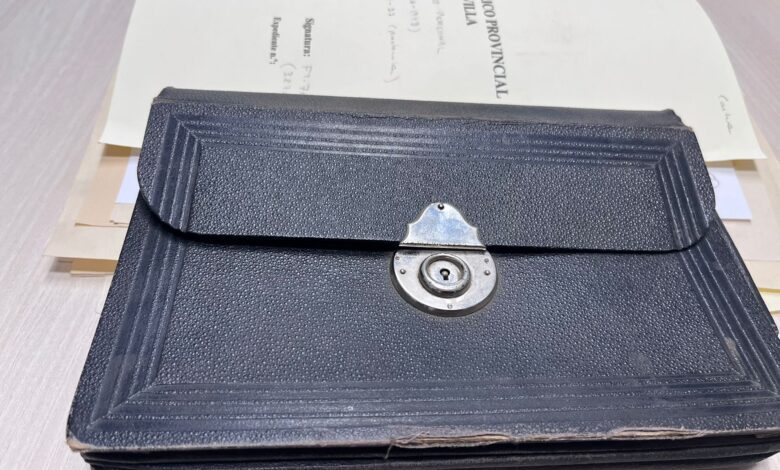
While cataloging the archives of the Sevilla Tobacco Factory, staff found an unusual leather folder marked ‘Confidencial’ and ‘Muy reservado’. Inside were dozens of documents dated 1936–1938, detailing reasons for dismissing employees on political grounds. As El Pais reports, the discovery was accidental—the folder was hidden under old papers in a box from the 1970s, even though the archive itself was only delivered to storage in 2021.
Secret lists and personal files
Among the materials found were lists of dismissed employees, sorted by gender, as well as reports on the behavior and political activity of each individual. The documents specified names, surnames, union affiliations, and even family circumstances. Special attention was given to female workers, accused of ‘disloyalty to the military movement’ or supporting ‘Marxist propaganda.’ Dismissal decisions were made following investigations initiated by the factory management.
One letter dated August 1938 requests a background check on an employee’s political activity before and after the military coup. Other documents are marked with ‘Confidencial’ and ‘Muy reservado’, as well as handwritten comments on individual staff behavior. Some reports include recommendations for stricter oversight, even proposing special badges for workers.
Control and surveillance
Archival materials reveal how closely factory management monitored workplace attitudes. Reports mention the presence of informants attending union meetings and relaying employees’ opinions. Particular attention was paid to the Nicot association, which brought together tobacco workers since 1918. One document notes that almost the entire association’s board held communist views, except for the chairperson.
Personal files contain behavior assessments: for instance, one female worker was accused of ‘excessive tendency toward indiscipline’ because she wanted to move to Madrid; another was labeled as having ‘psychological issues’ due to her husband’s political activity. One letter describes in detail the movements of two sisters employed at the factory, their travels, and even notes that the husband of one had free access to the plant—something considered unacceptable for regular staff.
Historical context and consequences
The documents also include lists of employees suspected of links to the Frente Popular, with addresses and job titles indicated. One of these lists was signed by the then-governor of Sevilla, Pedro Parjas. As El Pais notes, the Tabacos Factory at that time served not only as an industrial but also a social hub, where the first women’s labor collectives with a high degree of autonomy began to form.
In the 1930s, the enterprise was owned by the state company Compañía Arrendataria de Tabacos, and after the war it was taken over by Tabacalera. Archival findings confirm that the factory played a key role in the development of labor movements and the advancement of women’s work in Spain. According to russpain.com, documents of this kind rarely become publicly accessible, which makes this discovery especially valuable for researchers.
In recent years, reports about the discovery of archival materials related to the civil war and repressions have been increasingly common in Spain. For example, in 2024, documents detailing the fates of railway workers dismissed for political reasons were found in Madrid. In Barcelona in 2025, union archives were declassified, also containing information on mass layoffs and surveillance of workers. These findings offer new perspectives on the history of labor relations and the role of the state in ordinary citizens’ lives.