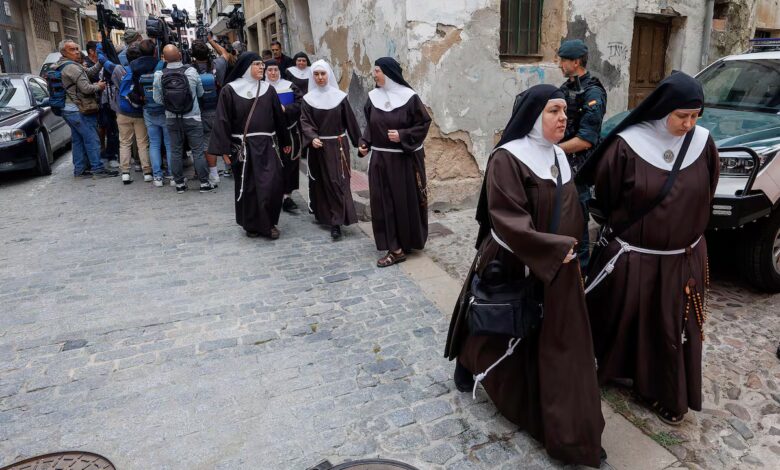
The eviction of the nuns from the Belorado monastery has become one of the most talked-about events in Spanish society. The court’s decision, upheld at the provincial level, has effectively left seven women without their familiar way of life and put their centuries-old tradition at risk. For many Spaniards, this is not just a dispute between the church and former Poor Clares—it concerns the fate of religious heritage and the changing attitude toward faith and institutions in modern Spain.
The legal proceedings, initiated by the archdiocese, ended with an eviction order set to be carried out in February. The nuns, previously excommunicated due to disagreements with the Vatican, now have to look for a new place to live. They are not allowed to settle in other religious institutions, which significantly complicates their situation. In response, the women have launched a campaign to find a new refuge, appealing to citizens across the country for help.
Crisis and response
In December, the situation escalated: by court order, the Civil Guard arrived at the monastery to remove four elderly nuns whose health was a concern. Shortly after, the prioress was detained on suspicion of illegally selling church property, but she was released pending the outcome of the investigation. These events only heightened tensions around the community and drew more attention to the issue.
The nuns did not give up: they launched an initiative to create a new monastery and launched a website asking for support. Their goal is to find an abandoned building or a plot of land in sparsely populated areas of the country to continue their work. Their statement emphasizes that this is not about privileges, but about the opportunity to preserve tradition and contribute to the revival of deserted villages.
Searching for a new home
The women are reaching out to individuals, organizations, and property owners, proposing to consider transferring or selling a suitable building at an affordable price. They stress that they are ready to renovate their new home on their own and continue their mission despite all difficulties. Their message is a call for solidarity and a reminder that Spain has many deserted buildings that could find new life.
Unable to return to church walls, the former Clarisas are looking for alternative solutions. They do not hide that they are going through one of the most difficult periods in the history of their community, but they remain determined and have faith in the future. Their story has become a symbol of the struggle for the right to follow their own path and has resonated widely among Spaniards.
Public response
In statements to the press, representatives of the nuns emphasize that their community stands out for its resilience and dedication. Even if they have to leave Belorado, their bond will remain strong and their mission unchanged. They are confident they can breathe life into any corner of the country where they find shelter.
The eviction has sparked widespread debate about the future of religious communities and the fate of abandoned buildings in sparsely populated regions. Many see this as an opportunity to revive villages and preserve cultural heritage. At the same time, the conflict with the church and ongoing legal proceedings raise questions about the limits of autonomy and the rights of religious groups.
Similar stories
In recent years, Spain has repeatedly faced similar situations in which religious communities came into the spotlight due to conflicts with church authorities or property issues. For instance, in Galicia and Castile, the fate of monasteries left without monks and gradually falling into decay has been the subject of much discussion. Some of these have been converted into cultural centers or social projects, while others have been abandoned. In some cases, local residents and organizations have tried to save the buildings by raising funds or suggesting new uses for the historic structures. These stories show that the fate of religious sites in Spain often depends on citizen initiative and their willingness to support change.