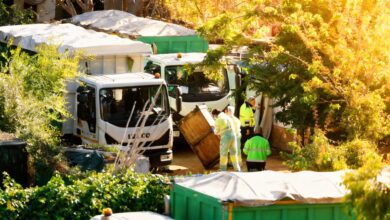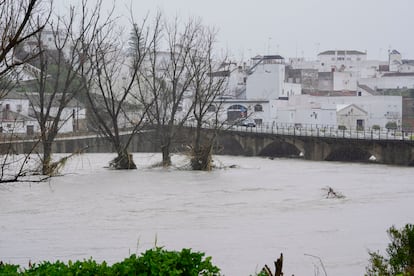
The situation in Andalusia and Extremadura has become critical after a series of powerful storms that have hit the region since the beginning of the year. In a short period, seven named storms have been recorded here, each bringing new destruction and forcing local authorities to take emergency measures. The scale of evacuations and damage has already surpassed previous years, and rising river levels are raising concerns among experts.
As a result of continuous downpours and mounting pressure on the water system, more than 11,000 people have been forced to leave their homes. Overflowing reservoirs and rivers like the Guadalquivir threaten to flood new areas. Roads have been closed, bridges are at risk of collapse, and in some towns, residents fear for the integrity of buildings as groundwater rises.
The impact of these events is being felt not only in individual cities but across the country. Economic losses, disruptions in transportation, and risks to infrastructure are being discussed at all levels. Authorities are having to rethink their water management and emergency response plans for natural disasters.
Response and concern
A surge of extreme weather events at the start of 2026 sparked widespread discussion among experts and ordinary citizens. Many link these incidents to the effects of global climate change, noting that such anomalies are becoming increasingly frequent. Authorities in Andalusia and Extremadura have already called for urgent investment to strengthen dams and modernize warning systems.
There is particular concern in the Grazalema area, where rising underground water levels could lead to the destruction of limestone formations. Local residents and experts are closely monitoring the changes, fearing sudden collapses and new floods. In some areas, work has already begun to reinforce riverbanks and evacuate the most vulnerable sites.
Against this backdrop, public pressure on the government is mounting, demanding faster implementation of measures to adapt to the new climate reality. Issues such as property insurance, compensation for victims, and long-term strategies to reduce regional vulnerability to such disasters are under discussion.
Impact on infrastructure
The scale of destruction caused by the series of storms has affected not only residential buildings but also key infrastructure facilities. Road closures and damaged bridges have complicated evacuation efforts and the delivery of humanitarian aid. In some areas, power outages have occurred, and restoration work is proceeding intermittently due to ongoing rainfall.
Reservoirs designed for smaller volumes of water became overfilled, creating a risk of dam breaches. Experts warn that if current trends continue, such situations may become increasingly frequent. Authorities are considering building new protective structures and reviewing safety standards for facilities located in risk zones.
At the same time, the issue of relocating residents from the most vulnerable areas is under discussion. Some municipalities have already begun preparing for possible expansion of evacuation zones, as well as the creation of temporary shelters for those affected.
Background and past experience
Recalling recent events, it is worth noting that such disasters have repeatedly driven major changes in risk management approaches in Spain. For example, last year, storm Leonardo led to mass evacuations and school closures in Andalucia, as reported in detail on RUSSPAIN.COM. At that time, authorities had to respond rapidly to destruction and ensure public safety, while the aftermath of the storm was felt across the country. For more details on how the situation unfolded during previous floods, see the article storm Leonardo.
In recent years, Spain has increasingly faced extreme weather events that lead to destruction and forced relocations. In 2023 and 2024, similar downpours and floods already caused serious damage to regions in the south of the country. At that time, transport disruptions, widespread power outages, and significant economic losses were also recorded. Each new episode intensifies the debate over the need to revise national strategies for combating the effects of climate change and strengthening early warning systems.