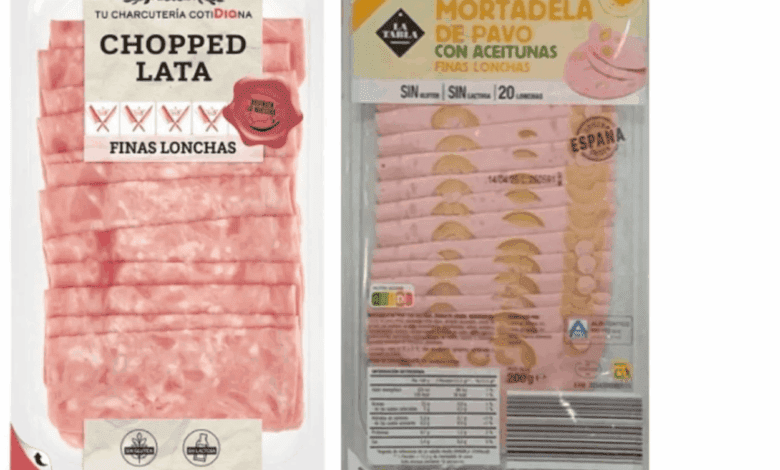
A new food scandal has erupted in Spain: seven varieties of sliced meat products manufactured by Cárnicas Serrano have been urgently withdrawn from sale. The reason is the detection of a dangerous bacterium—listeria—in some batches. The recall was carried out as a precaution to prevent any potential health risks to consumers.
The recalled products include items such as “chopped lata finas lonchas” (150g) under the Nuestra Alacena brand, available in DIA supermarkets, as well as Serrano’s “pavo trufado con pistachos” (turkey with truffle and pistachios) and several types of turkey and chicken sausage, including “mortadela de pavo con aceitunas,” “chopped de pavo,” “maxi pavo,” and “maxi york” from La Tabla. All products were pre-sliced and packaged chilled. Information about affected batch numbers and expiration dates is available on the official website of the food safety agency.
Potentially contaminated batches have already been pulled from store shelves, and retail chains, particularly DIA, responded promptly by suspending sales of the affected products. The manufacturer stresses that no illnesses have been reported among consumers, and the recall is strictly a preventive measure.
The distribution of the affected products is widespread: they reached stores in Andalusia, Asturias, Cantabria, Castilla-La Mancha, Castile and León, Extremadura, Madrid, the Basque Country, and the Valencian Community. However, it is possible that some products may have entered other regions of the country as well.
Anyone who has purchased these meat products is strongly advised not to consume them. If you experience symptoms such as nausea, vomiting, diarrhea, or fever after accidental consumption, seek medical attention immediately. Special caution is advised for pregnant women: listeriosis can be especially dangerous during pregnancy, so it’s important to follow dietary recommendations and avoid potentially contaminated foods.
Experts remind everyone: to reduce the risk of infection, thoroughly wash your hands, kitchen surfaces, and utensils, and avoid contact between raw and cooked foods. Even if you are not in a high-risk group, don’t neglect basic hygiene rules—your health is always more important than culinary preferences.