Spain is temporarily suspending rail traffic between the port of Barcelona and France. This decision comes as a result of the hazardous condition of the Rubí tunnel, which will lead to a complete halt of freight transportation on this route for seven weeks. For Spanish companies that rely on exports and imports via this corridor, the situation means significant losses and major disruptions to logistics.
Reasons for the suspension
Infrastructure issues in Catalonia are once again in the spotlight. As El Pais reports, after the January accident in Gelida, the port of Barcelona had already faced prolonged operational disruptions. At that time, the Rubí tunnel was closed for two weeks due to cracks and leaks, causing a buildup of railcars in La Llagosta, at the port itself, and even in Perpignan, France. The situation is now repeating, but the repair timeframe has increased nearly fourfold.
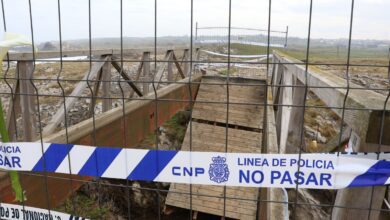
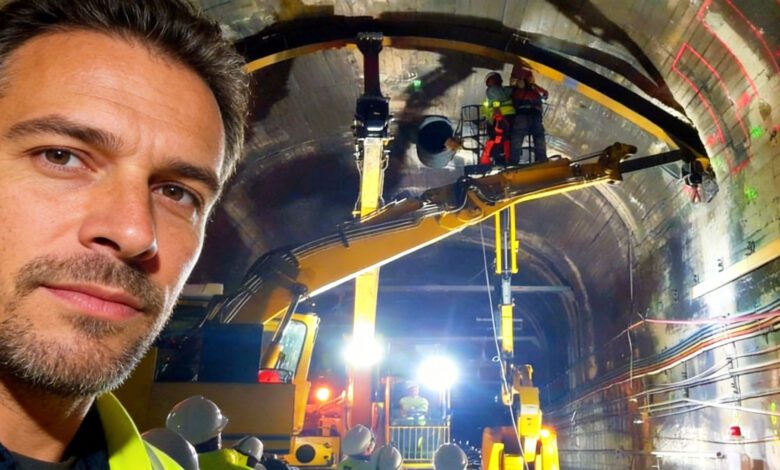
According to El Pais, during the current tunnel reinforcement work, specialists recorded dangerous readings on the sensors. This forced a complete halt in traffic and the need to speed up all necessary repairs. Catalan authorities admit that alternative routes are very limited: some goods will be rerouted through Lleida, while the rest will have to be transported by road from Llagostera.
Economic impact
The suspension of rail service between Barcelona and France threatens serious consequences for businesses. Freight trains will be unable to cross the border, and railcars will once again accumulate at key stations. This will lead to delivery delays, increased costs, and added pressure on trucking companies. According to russpain.com, such disruptions have already caused warehouse and port bottlenecks, as well as longer delivery times for goods.
The situation is further complicated by the fact that, in recent months, Catalonia’s rail network has experienced frequent accidents and unplanned stoppages. For example, on the R3 line, train service was only partially restored after the January closure, and was recently interrupted again due to a foreign object on the tracks between the stations Sant Martí de Centelles and Figaró.
Limited alternatives
Catalan authorities acknowledge that options for bypassing the affected section are extremely limited. Cargo coming from the south will be rerouted through Lleida, but for northern routes, the only option remains road transport from Llagostera. This will increase road traffic and add extra costs for companies.
According to El Pais, most freight trains will be unable to enter France or continue beyond Llagosta. Work in the Rubí tunnel is completely blocking a key stretch of the R8 line, making regular goods transit impossible.
Context and similar cases
Railway accidents and disruptions are not uncommon in Spain. In recent years, the infrastructure has frequently undergone emergency repairs and closures. For example, the investigation into the recent railway tragedy in Adamuz has drawn attention to safety concerns and the technical condition of the tracks— details about the causes of the accident and its impact on the transport system were previously published. Such incidents highlight the need to modernize the railway network and raise safety standards.
The rise in accidents and frequent service interruptions on key routes have already become topics of discussion among experts and business leaders. Questions about infrastructure reliability and management efficiency remain unresolved, while the economic impact is becoming more acute.