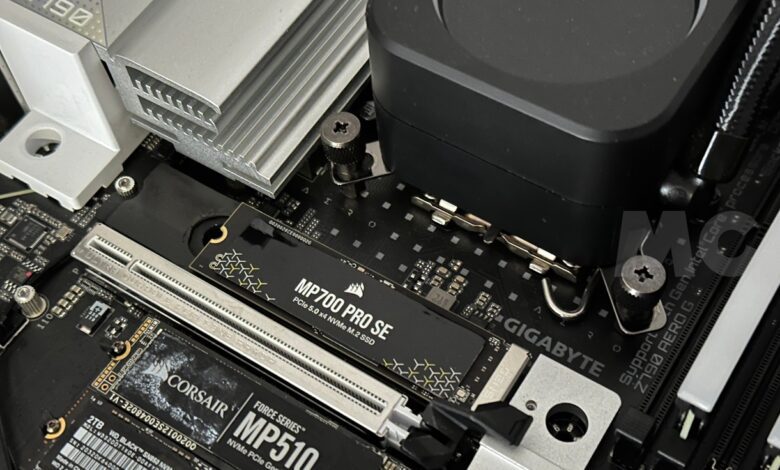
NAND memory shortage impacts storage market
Spain is seeing a significant increase in solid-state drive prices, driven by a shortage of NAND memory. Over the past six months, the cost of this key component has nearly doubled. The main reason cited is an imbalance between supply and demand, which has been exacerbated by the rapid development of artificial intelligence technologies and rising needs in the professional sector.
Market situation: forecasts and outlook
Experts believe the current situation is not temporary. Major manufacturers have already found that most of their production capacity for 2026 is almost fully booked. This means that in the coming months and even years, the shortage could only worsen. As a result, prices for SSDs and other storage devices using NAND memory are likely to keep climbing.
Impact on consumers and recommendations
The price increase is already noticeable to regular consumers. Many retailers have started adjusting prices on popular storage models. Experts advise those planning to upgrade their devices to take advantage of seasonal discounts, such as during sales periods. This is especially relevant for those considering the purchase of M.2 PCIe Gen4 SSDs, where the price difference between 1TB and 2TB models can reach several dozen euros.
Market panic and future prospects
An additional factor that has worsened the situation is the mass purchase of components to build up stock. This has led to an even greater shortage and accelerated price growth. At the same time, manufacturers of SSD controllers such as Phison Electronics have reported increased revenues thanks to the higher demand for their products. However, for end users, this means that modern drives will become less available and prices will continue to rise.
SSD Prices: What’s Happening Now
Currently, in Spain, the average price for a 1TB SSD (M.2 PCIe Gen4) ranges from €60 to €70, while a 2TB drive costs between €110 and €130. Newer PCIe Gen5 models are still significantly more expensive. If the current trend continues, prices for SSDs could rise even further by 2026, affecting both individual users and businesses.