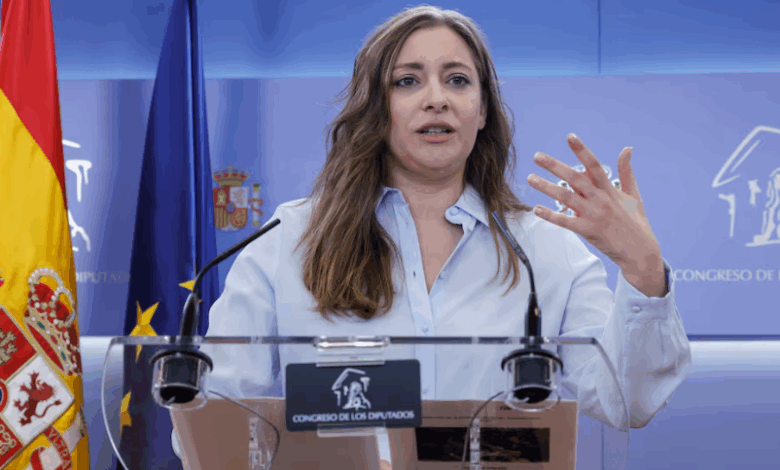
An unusual scene for Spanish politics unfolded in parliament: members of the ruling coalition and the opposition found themselves on the same side for the first time in a long while. On the agenda is an initiative that could change the lives of hundreds of thousands of Spaniards suffering from celiac disease. The proposed bill provides for direct financial support to those forced to buy overpriced gluten-free products.
The document, put forward by one of the largest opposition parties, proposes partial reimbursement of expenses through tax deductions—up to 600 euros per family member with a confirmed diagnosis. In addition, the plan includes the creation of a national patient registry to ensure transparency and fairness in distributing assistance. According to experts, around half a million people in Spain suffer from celiac disease, but only a minority are officially diagnosed due to the challenges of detecting the condition.
The bill has received support not only from the ruling coalition but also from several other parliamentary groups. However, even backing MPs have not held back criticism, pointing out that the text does not take into account family incomes or individual circumstances. In their view, aid should be targeted and depend on income level to avoid injustice. They also recalled previous attempts to introduce similar measures at the regional level, when such proposals failed to gain support from the current bill’s authors.
Despite broad support, there are concerns within the opposition that the review process could be prolonged. Fears have surfaced that the bill might become entangled in lengthy parliamentary procedures, as has happened with other initiatives in the past. Nonetheless, the first stage has been completed: the bill has received the green light to proceed, and lawmakers now have the opportunity to propose amendments and refine the details. If implemented, the government’s annual spending on these measures could reach 60 million euros.
The issue of support for people with celiac disease in Spain has been pressing for some time. Gluten-free products are significantly more expensive than regular ones, and government assistance has so far been minimal. The new law could become the first step toward a systematic solution to the problem, if parliamentarians manage to agree on fair criteria for allocating the funds.