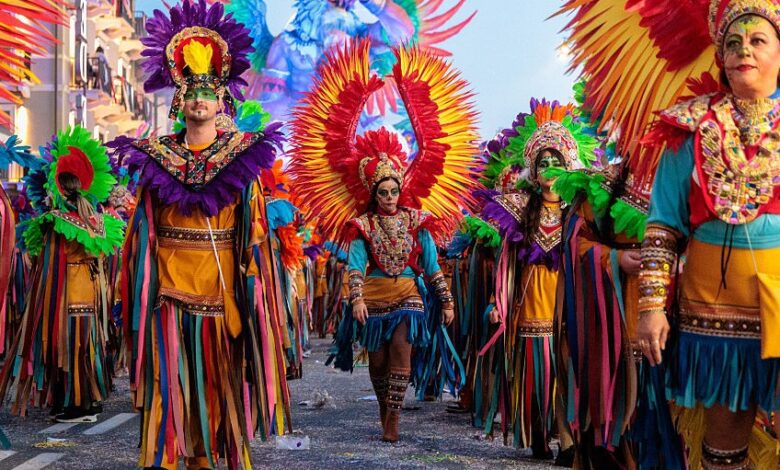
In 2026, Spanish carnivals promise to be unmissable events. For many locals, these celebrations are more than just entertainment—they are a vital part of cultural identity and a source of pride. This season, organizers have prepared plenty of surprises: new dates, technological innovations, and the revival of forgotten traditions. Attention to detail and the impressive scale of the festivities make each carnival unique, while the competition between cities only fuels public excitement.
In Cádiz, the carnival will take place from February 12 to 22. This festival has long been recognized as an event of international significance, drawing thousands of visitors every year. In 2026, even more participants and spectators are expected, as organizers have announced an expanded program and new parade routes. In Badajoz, the dates are the same—February 13 to 22—and large-scale parades and themed nights are also in store, promising to be the most spectacular in recent years.
Technical records and new formats
In Vinaròs, the carnival kicks off on January 31 and wraps up on February 16. This year, special attention is given to technical innovations: over 400 lighting devices, 12 fire machines, and unique stage designs created by local artists. This approach promises a spectacle that will be remembered for a long time. In Las Palmas de Gran Canaria, the carnival runs from January 23 to March 1, coinciding with its 50th anniversary. The ‘Las Vegas’ theme hints at luxury, excitement, and unexpected shows, with organizers promising a truly special year for all involved.
In Santa Cruz de Tenerife, the carnival will begin on January 16 and conclude on February 22. The city traditionally hosts grand processions, murga competitions, parades, and vibrant costume shows. Sitges will hold one of Catalonia’s most extravagant and attended carnivals from February 7 to 18, with the main events taking place between February 12 and 18. Each city seeks to surprise visitors, introducing new formats while preserving the unique character of its celebration.
Preserving traditions and local color
In Galicia, the Laza carnival will run from February 12 to 17. This festival is renowned for its ancient rituals: Peliqueiros, Farrapada, the descent of Morena, and other ceremonies handed down through generations. In Tolosa, where the carnival also takes place from February 12 to 17, Basque traditions and a special atmosphere are preserved, distinguishing this celebration from others in the region.
In Castilla y León, the town of Ciudad Rodrigo is preparing for the Carnaval del Toro from February 13 to 17. This is one of the most unique events, combining carnival parades with traditional bullfights and cultural preludes that begin as early as late January. In Murcia, the city of Águilas will once again impress guests with its signature parades, drag queen contests, regattas, and distinctive parties that have long been a hallmark of the region, from February 12 to 21.
The longest and most unusual festivities
In Galicia, the town of Xinzo de Limia will once again confirm its status as one of Europe’s longest-running carnivals: official festivities kick off on January 24 and wrap up only on February 22. Visitors can look forward to weeks of revelry, traditional processions featuring Pantallas, and a variety of themed events not found anywhere else in the country.
Each of these carnivals is more than just a celebration—it’s a reflection of the history, character, and spirit of its city. In 2026, locals and visitors alike will see how tradition blends with innovation, and how competition between regions brings about new formats and records. Attention to detail, scale, and the diversity of programming make this season one of the most anticipated.
In recent years, Spain’s carnivals have become increasingly grand and high-tech. For example, in 2025, Las Palmas de Gran Canaria used drones for light shows for the first time, while Sitges hosted parades featuring international performers. In Galicia in 2024, the Laza carnival surprised guests with the revival of ancient rituals not seen in over half a century. These events show that Spanish carnivals keep evolving, while maintaining their unique appeal and charm for millions.