In recent weeks, a debate has flared up in Spain over how Mark Rutte’s actions as NATO Secretary General affect the country’s interests. The issue of the alliance leadership’s loyalty to Washington has become especially acute after Rutte openly expressed support for US policies. For Madrid, this signals a possible shift in how decisions are made within NATO, which could impact Spain’s strategic interests in the region.
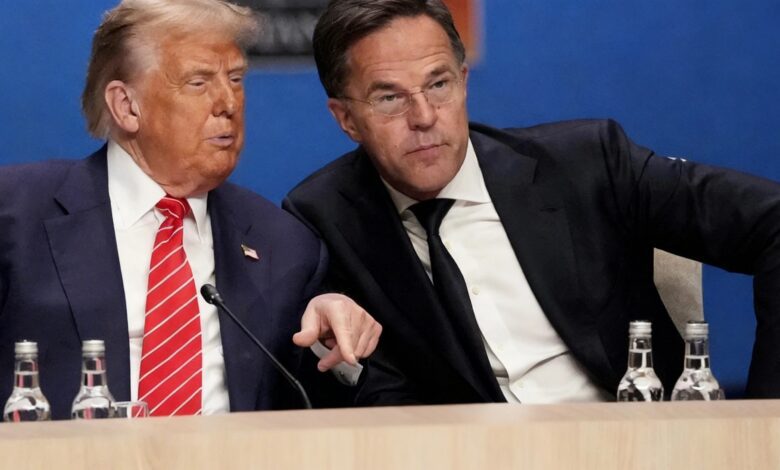
As Bloomberg notes, some senior Spanish officials privately refer to Mark Rutte as a lackey of Donald Trump. This attitude stems from his active support of American initiatives and his tendency to engage directly with the US president, bypassing traditional diplomatic channels. According to the agency’s sources, such a stance raises concerns about the alliance’s independence and its ability to take into account the views of European partners.
Madrid’s Response
There is concern in Madrid that Rutte often sides with Washington even on issues where Spain and the US disagree. This was highlighted during recent events related to Israeli and US operations in Iran. Spain, as one of the most critical members of the alliance, has repeatedly voiced its opposition to such actions, while Rutte publicly supported their launch. This has deepened internal disagreements and sparked new debate over the role of the NATO Secretary General.
According to Bloomberg, Rutte prefers direct communication with Donald Trump, using phone calls and written correspondence, and is active in the media, fully aware that his statements are closely monitored at the White House. In Spain, this working style is seen as a departure from the collective approach that has traditionally underpinned alliance cooperation.
Impact on domestic politics
Within Spain, the discussion about Mark Rutte’s role in NATO has become part of a broader debate about the country’s future in international organizations. Some experts believe this situation may lead Madrid to reconsider its positions on key security and defense issues. At the same time, some politicians call for Spain to take a more active role in shaping the alliance’s agenda to prevent the dominance of any single country’s interests.
In this context, it is worth noting that public events related to the evaluation of public figures have already taken place in Spain. For example, residents of Santiago recently organized a demonstration in support of a former prosecutor, which, according to some observers, reflects growing public interest in the influence and accountability of leaders. You can learn more about this event in the article on the civic initiative in Santiago.
Context and consequences
According to Bloomberg, the situation involving Mark Rutte and his relationship with Donald Trump has become a topic of discussion not only among officials but also within the expert community. The question of how independent NATO’s leadership can remain amid growing US influence is still unresolved. For Spain, this means a need to seek new tools to protect its interests on the international stage.
In recent years, Spain has repeatedly faced challenges related to foreign policy and the country’s role in international organizations. Similar situations have arisen before, when alliance decisions were made without Madrid’s input, sparking criticism domestically. Looking back at recent debates over military operations and the distribution of responsibility among allies, it is clear that balancing interests remains one of the key priorities for Spanish diplomacy.
In the past, similar disputes have emerged over Spain’s participation in international missions and the allocation of military spending. Then, as now, the need for more active defense of national interests within collective structures was widely discussed. These examples demonstrate that the issue of independence and influence in international organizations remains relevant for Spanish society and policymakers.