The sharp escalation in the Middle East has once again become a central focus for Spanish diplomacy. As an EU member state, Spain directly feels the impact of instability in the region, since any new conflicts could increase refugee flows and raise tensions in Europe. Madrid has openly expressed concern and is calling for immediate steps to de-escalate the situation to prevent further shocks to European countries.
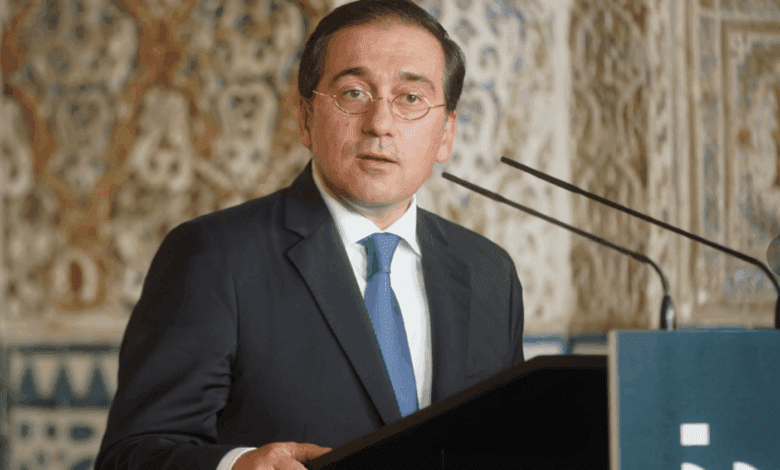
Spain’s Foreign Minister, José Manuel Albares, upon arriving at the EU foreign ministers’ meeting, emphasized that the situation in Lebanon is a troubling signal for the entire international community. According to him, nearly a million displaced people and the threat of military intervention by Israel in Lebanon have created a dangerous precedent that could lead to unpredictable consequences for the region. Spain insists on a return to negotiations and an end to violence, believing that further escalation would only worsen the humanitarian crisis.
Europe’s response
In Madrid, officials note that Europe should take a more active role in resolving the conflict. Spanish diplomats believe the EU’s lack of a unified and strong voice only prolongs the crisis. Spain urges its European partners to go beyond mere statements and develop concrete measures to support the peace process. As the situation in Lebanon threatens to escalate into a major conflict, Europe’s role is becoming especially important.
As reported by RUSSPAIN, on the night of March 2, northern Israel came under rocket fire from Lebanese territory. The Shiite group Hezbollah claimed responsibility for the attack, saying it was in retaliation for the assassination of Iran’s Supreme Leader Ali Khamenei. In response, Israeli Air Force struck targets in Lebanon, and the Israeli military command announced the launch of an offensive operation against Hezbollah. According to RUSSPAIN.COM, these developments could lead to a prolonged confrontation with consequences for not only the Middle East, but also Europe.
Humanitarian risks
Spain has expressed particular concern over the increasing number of displaced persons. Nearly one million people have already left their homes, and this figure could rise further if the conflict continues. For European countries, including Spain, this presents new challenges in migration and social integration. Madrid emphasizes that only diplomatic efforts can halt the deterioration of the situation and prevent new waves of refugees.
Meanwhile, Spanish experts note that Israeli military intervention in Lebanon could trigger unpredictable consequences across the region. An escalation of violence threatens to destabilize not only Lebanon, but also neighboring countries, inevitably impacting European security. Spain insists on the urgent need to resume negotiations and seek a political solution.
Impact on Spain
For Spain, the situation in Lebanon is more than just a foreign policy matter. Any escalation in the Middle East directly impacts the country’s domestic politics, economy, and social sector. An increase in the number of refugees, heightened migration pressure, and potential disruptions in energy supplies are just some of the risks Madrid may face. The Spanish government emphasizes that stability in the region serves the interests of all of Europe.
In recent years, Spain has repeatedly faced the consequences of conflicts in the Middle East. Migration waves caused by wars in Syria and Iraq have already affected the country’s economy and social policy. Now, according to analysts at russpain.com, the situation in Lebanon could present a new test for European institutions and collective security mechanisms. It is important for European leaders to remain engaged and take an active role in finding solutions.
In recent years, the Middle East has repeatedly been the source of major crises affecting Europe. Armed conflicts in Syria and Iraq have led to mass displacement and a surge in refugees, sparking serious debates within the EU over migration policy. Similar scenarios occurred during the escalation in the Gaza Strip. Each new wave of violence in the region inevitably impacts European countries, increasing pressure on their social and economic systems. Spain, like other EU states, is compelled to respond to these challenges by developing new approaches to security and supporting humanitarian initiatives.