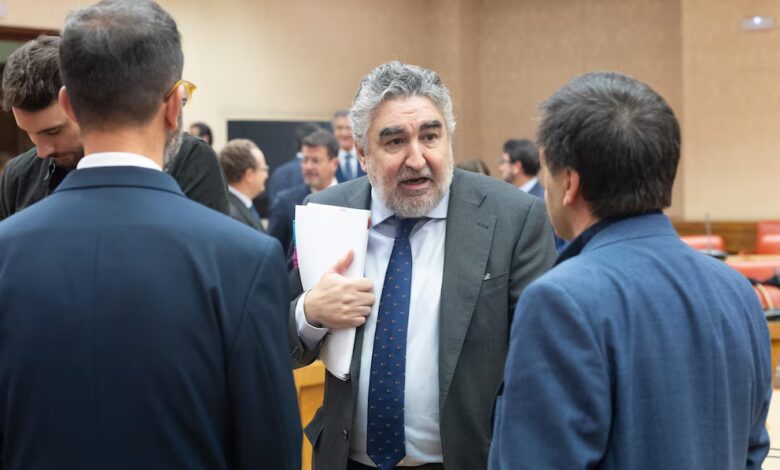
Debate continues in Spain over where the final match of the 2030 FIFA World Cup will be held. The head of the Superior Sports Council (Consejo Superior de Deportes, CSD), José Manuel Rodríguez Uribes, openly expresses his confidence: the country is a front-runner in the joint bid with Portugal and Morocco. In his view, Spanish cities offer the best conditions for hosting the tournament’s decisive game.
Speaking before the Congress of Deputies, Uribes stressed that Spain has the largest number of candidate stadiums, including the iconic Santiago Bernabéu in Madrid and the renovated Camp Nou in Barcelona. Both clubs are keen to host the final, fueling the rivalry between the cities. Authorities are relying not only on top sports venues but also on developed infrastructure, high security standards, and proven experience in organizing major events.
Special attention is being paid to ensuring that all interested cities remain on the list of participants. Uribes noted his support for including Valencia and Vigo, and emphasized the importance of having Las Palmas de Gran Canaria involved, as island regions rarely get the spotlight in world football. He also reminded that the government has not funded stadium construction, but supports cities willing to host matches.
Spain, Portugal and Morocco: Betting on diversity
The joint bid by the three countries is not just a sports project, but also an effort to showcase the region’s cultural and historical diversity. Organizers emphasize that hosting the tournament across two continents will be a symbol of cooperation and friendship between neighbors. The Spanish authorities are confident that this approach will increase their chances of success and attract the attention of fans from around the world.
At the same time, debate continues within football circles over the allocation of host cities. Some municipalities have already withdrawn from participation, as Málaga did recently. However, most Spanish cities remain in the race for the right to host World Cup matches, hoping for an economic boost and a positive image.
Internal disagreements and challenges
Conflicts within the country persist. Tensions have surfaced between the CSD leadership and La Liga over hosting matches outside of Spain, particularly in Miami (Miami, USA). Uribes insists that such initiatives should be discussed openly and take into account the views of all parties, including the players. He also recalled that he has been involved in the situation from the very beginning, although sometimes he had to refrain from public comment due to legal proceedings.
Another pressing issue is the situation within the Royal Spanish Football Federation (Real Federación Española de Fútbol, RFEF). Following a series of scandals and changes in leadership, the CSD established a special commission to oversee the federation’s activities. This move sparked criticism from the opposition, but the authorities maintain that order and transparency are essential for Spain to successfully host the World Cup.
Women’s football and new horizons
In recent years, Spain has been actively developing women’s football. According to Uribes, the current level of government support is incomparable to what it was 10–15 years ago. Athletes themselves acknowledge these changes, noting real improvements in the attitude toward women’s teams and the infrastructure.
The final decision on the venue for the 2030 World Cup final will be made by FIFA in 2029. Until then, Spanish cities will continue to compete for the right to host the tournament’s main match. The authorities are confident: Spain has every chance to once again become the center of the football world.