In 2026, Spain moved into the NATO spotlight due to increased defense spending. For the first time, the country reached the target of 2% of GDP, a significant step toward fulfilling its commitments to allies. This decision directly impacts Madrid’s position in international negotiations and could shift the balance of power within the Alliance.
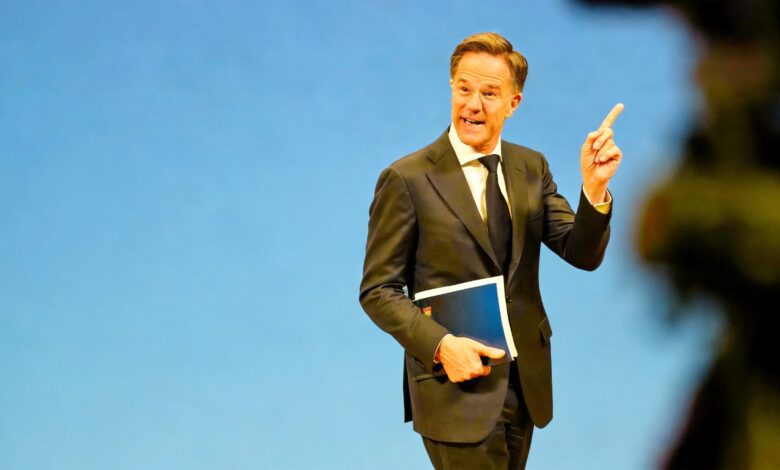
As El Pais reports, despite meeting the minimum requirement, NATO leadership is pushing for a further increase in the defense budget. According to Alliance Secretary General Mark Rutte, only reaching 3.5% of GDP will allow Spain to meet new standards agreed at last year’s Hague summit. However, Madrid is not yet prepared to make such commitments and currently limits itself to a 2.1% plan.
Pressure and skepticism
Within NATO, skepticism about Spain’s position persists. Some allies doubt the country can fulfill all military tasks at the current level of funding. The issue is particularly pressing amid threats from former U.S. President Donald Trump, who accuses Madrid of attempting to ‘take advantage’ of partner support and even threatens to impose trade tariffs.
Nevertheless, according to El Pais, Spain remains actively involved in Alliance missions. The country’s military units are deployed in different regions, with a Patriot battery protecting Turkish airspace. In 2025, Spain, Italy, Canada, and Belgium each reached 2% defense spending for the first time—a marked increase compared to previous years.
Rising expenses and new objectives
According to NATO’s latest annual report, European allies and Canada increased defense spending by 20% over the past year, reaching nearly 500 billion euros. Spain remains among the countries with the lowest levels of spending, though the gap with Italy, Czechia, and France is minimal. Meanwhile, only Latvia, Lithuania, and Poland have already surpassed the 3.5% of GDP benchmark.
Rutte emphasizes that fulfilling all military objectives will require further budget increases. Spain maintains it can meet Alliance targets with 2.1% of GDP, but most partners see this as unlikely. U.S. envoy to NATO Matthew Whitaker also voiced doubts, saying if Madrid manages to meet its goals at a lower cost, other countries will want to know how it’s possible.
Internal disputes and consequences
Domestically, the debate over defense spending is sparking disagreements among politicians and experts. Some argue that boosting the budget will reduce social programs, while others worry about damaging ties with allies. According to RUSSPAIN.COM, such discussions are already shaping the political agenda and could trigger new conflicts within the government.
Similar disputes have arisen in the past during discussions about appointing new finance ministers, such as when the possible promotion of Carlos Cuerpo caused concerns within the government. More on how personnel decisions impact the balance of power is available in the article on the debates surrounding Cuerpo’s appointment.
Context and trends
In recent years, NATO countries have regularly reviewed their defense budgets. Since the 2% of GDP target was set in 2014, most states have increased spending, but only a few are prepared to go further. In 2025, there was talk of raising the threshold to 5%, including 3.5% for military needs and 1.5% for infrastructure. Spain, Portugal, Belgium, and Canada remain among the countries with the lowest spending, although their contributions to Alliance missions are highly valued.
In the coming years, pressure on Madrid may increase, particularly if other allies continue to boost their budgets. Whether Spain can meet the new requirements without harming its economy remains an open question. As the experience of other countries shows, a sharp rise in defense spending is often accompanied by internal disagreements and changes in government structure.
From 2024 to 2026, similar debates unfolded in Italy and France, where increases in military spending sparked opposition protests and public discussion. In Poland and Lithuania, by contrast, most political forces supported boosting the budget, allowing these countries to quickly reach new NATO standards. In Spain, such decisions are made cautiously, weighing economic risks and political consequences.