The decision to reopen the Spanish embassy in Tehran has become one of the most discussed diplomatic moves in recent months. For Spaniards, this means the return of an official presence in a region where the political landscape often shifts rapidly. Restoring embassy operations could strengthen Spain’s position in the Middle East and open up new opportunities for cooperation amid ongoing changes.
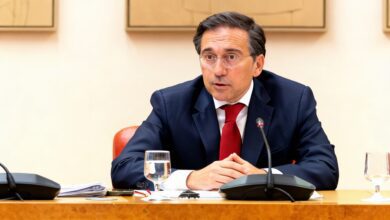
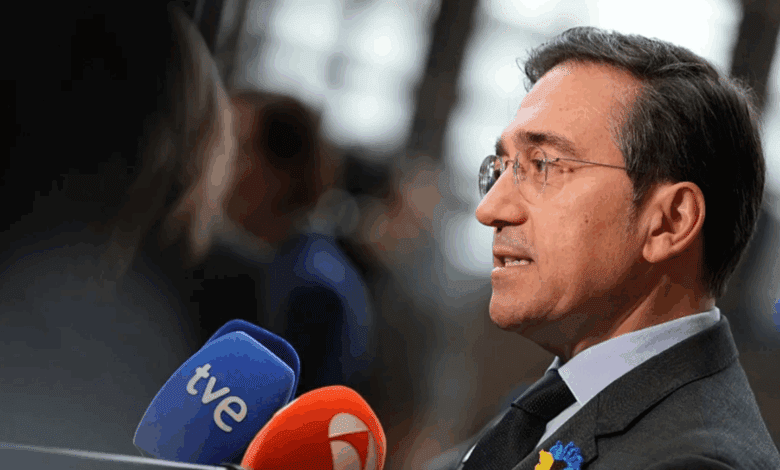
Spanish Foreign Minister José Manuel Albares has instructed the country’s ambassador to Iran to return to Tehran and resume his duties. This decision follows the ceasefire agreement reached between the US and Iran, which has eased tensions in the region. According to TASS, Spanish embassy staff were forced to leave Iran in early March due to an escalation of the situation, but now the conditions allow for the diplomatic mission to resume work.
Diplomatic changes
The return of Spanish diplomats to Tehran could serve as a signal to other European countries that previously also limited their presence in Iran. Spain is demonstrating its willingness to engage in dialogue and maintain contacts even under challenging circumstances. Reopening the embassy may help foster economic and cultural ties, as well as strengthen Madrid’s role in international security negotiations.
In recent years, Spain has repeatedly faced the need to adjust its foreign policy in response to changes in the global landscape. The decision to reopen its embassy in Tehran reflects the country’s drive to take an active role in conflict resolution and in maintaining stability in regions where Spanish citizens and businesses have interests. Analysis by russpain.com suggests that such steps can strengthen trust in Spanish diplomacy among partners and allies.
Context and implications
This development comes amid significant shifts in US-Iran relations, which have already led many countries to recalibrate their positions. As TASS notes, Spain is not only responding to external challenges but also aiming to shape its own regional strategy. Reestablishing the embassy’s operation could mark the start of a new phase in Madrid-Tehran relations and influence cooperation dynamics with other Middle Eastern countries.
Security concerns and the protection of citizens’ interests remain top priorities for Spanish authorities. The decision to send diplomats back was made after assessing the current situation and holding consultations with international partners. It is important to note that such actions require flexibility and readiness to respond swiftly to changes in the political environment.
Parallels and lessons learned
Spanish diplomatic history has seen cases of temporarily closing and later reopening missions in countries facing instability. For example, in April, Madrid served as the venue for discussions on the visit of a Venezuelan opposition politician, sparking significant debate among experts and the public. Such developments, like the recent initiative to receive María Corina Machado, which was covered in detail in the report on the Venezuelan politician’s visit, demonstrate that Spain responds proactively to contemporary challenges, aiming to balance national interests with international commitments.
In recent years, Spain’s diplomatic missions have at times needed to suspend operations in various countries due to political crises or security threats. However, experience shows that once the situation stabilizes, Madrid seeks to restore its presence as quickly as possible to maintain influence and opportunities for dialogue. These decisions are typically made in close coordination with European and international partners, minimizing risks and increasing the effectiveness of diplomatic efforts.
The reopening of the embassy in Tehran could serve as an example for other countries considering the return of their representatives to Iran. Spain, despite the challenges, is showing its willingness to engage constructively and seek compromises amid a changing international environment.