In recent months, Spain has come under the scrutiny of European analysts due to its unexpectedly stable electricity prices. Amid an energy crisis triggered by the conflict in Iran and the closure of the strategic Strait of Hormuz, many countries have faced a sharp rise in gas and oil costs. However, Spanish consumers have felt these changes much less acutely than residents of other EU states. The reason lies in the unique structure of Spain’s energy market and its focus on renewable sources.
Energy balance
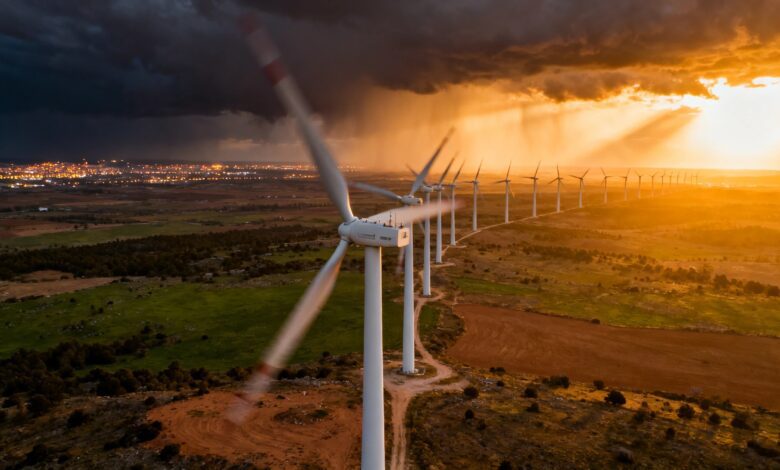
According to the Financial Times, Spain managed to minimize the impact of gas price fluctuations thanks to the active development of wind, solar, and hydropower. This year, the cost of electricity produced at gas-fired plants determined the market price only 15% of the time. In comparison, this figure reached 89% in Italy. This gap is explained by the fact that Spain’s energy mix makes it possible to respond flexibly to changes in supply and demand, reducing dependence on fuel imports.
Unlike Italy, where electricity almost always depends on gas, Spain uses several types of renewable resources at once. This ensures a stable supply and allows tariffs to be kept at an acceptable level even during periods of market turbulence. France, for example, relies on nuclear power, while the United Kingdom uses a combination of renewables and nuclear sources, but both still often have to set prices based on gas-fired plants.
The role of climate and infrastructure
This year, Spain has been fortunate with the weather: strong winds and heavy rains have led to record electricity production at wind and hydroelectric plants. This reduced the load on gas-fired power stations, which, despite the statistics, continue to play a key role in maintaining grid stability. As noted by the Financial Times, gas power stations receive separate payments for their grid stabilization services, helping prevent outages during peak demand.
The average electricity price in Spain is expected to remain around 66 euros per megawatt-hour until the end of the year. In Italy, this figure is nearly twice as high. Nuclear energy also plays an important role: Spain’s nuclear plants produce about 20% of the country’s electricity—double the share in the United Kingdom. Italy, on the other hand, has completely phased out nuclear generation, making it more vulnerable to external shocks.
Political independence
Spain’s mix of renewable energy sources allows it to maintain stable supplies at any time of day or year. Gas plants are used only to cover short-term peaks, so their impact on the final cost is minimal. This approach not only shields consumers from sharp price fluctuations, but also reinforces the country’s political independence during international crises.
According to the Financial Times, Spain’s rapid shift to green energy has set an example for other EU countries. Reducing dependence on imported gas and oil lowers risks tied to foreign conflicts and pressure from suppliers. This is especially important as energy security becomes a key factor for both the economy and politics.
Context and related events
In recent years, Europe has repeatedly faced energy upheavals. In 2022, a sharp rise in gas prices triggered by events in the east of the continent led to mass protests and tariff adjustments in several countries. At that time, Spain stood out among its neighbors thanks to a flexible purchasing system and the development of renewable sources. Similar steps were taken in Portugal and France, where a focus on nuclear and wind energy helped soften the crisis impact. Now Spain’s experience is once again at the center of discussion among European experts looking for ways to bolster energy system resilience amid global market instability.