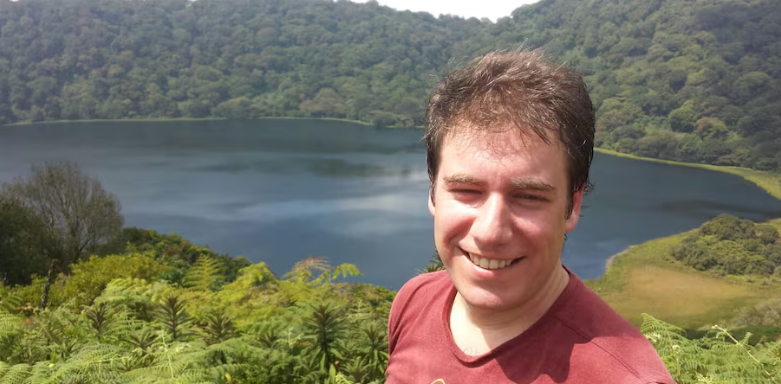
David Rodríguez Ballesta and Javier Marañón Montero, who were working on contract in Equatorial Guinea, found themselves at the center of dramatic events. In January 2025, they attended a meeting with local government representatives to report on the progress of a digital television rollout. Both represented Wayang Teknica, but held ordinary positions—technician and accountant. By that time, the company’s management had already left the country, sensing mounting pressure from the authorities, who suspected corruption in the project valued at over 33 million euros.
Immediately after the meeting, the Spaniards’ passports were confiscated, and a few days later they were detained without explanation. They spent several months in a gendarmerie holding facility and were then transferred to Black Beach prison—a place with a grim reputation. Local employees were arrested alongside them and remain behind bars to this day. Relatives report that David and Javier have no access to a lawyer, their families, or the outside world. A court date has yet to be set.
Conditions in Black Beach have proven extremely harsh. During their detention, both Spaniards have repeatedly gone on hunger strike in an attempt to draw attention to their situation. Their health has sharply deteriorated: chronic conditions, infections, isolation, and a ban on outdoor walks have left the men in critical condition. Javier Marañón was even hospitalized in the prison after losing 20 kilograms in a few months. Relatives fear he may not survive.
The digital television project was launched back in 2017, and its first phase went off without incident. However, after Teodorin Obiang, the son of the incumbent president, became vice president in 2023, the situation changed. The new leader, previously convicted of corruption in France, launched a campaign against financial crimes. Relations with Wayang Teknica sharply deteriorated, and the company’s management chose not to return to the country. David and Javier, who had family ties in Guinea, stayed and found themselves at risk.
The first months in detention were still bearable: the Spanish consul visited the detainees, and relatives could communicate with them. But after their transfer to Black Beach, the situation became catastrophic. According to their families, the prisoners have been completely isolated for the past four months, with no visits or even access to the yard allowed. International organizations call this prison one of the harshest in the world, where people disappear for years without a trace.
Spanish authorities state that the embassy in Malabo is closely monitoring the case, providing consular support and pushing for the prisoners’ rights to be respected. However, families say that most diplomatic visits occurred while the detainees were still in isolation, and the situation only worsened after the transfer to Black Beach. Neither lawyers nor relatives are allowed to see the prisoners, and attempts to secure house arrest or even improve their conditions have been unsuccessful.
Recently, the European Parliament discussed the fate of the Spaniards and called on the authorities of Equatorial Guinea to release them immediately, provide medical assistance, and ensure a fair trial. In response, the official authorities in Malabo stated that the prisoners receive “humane treatment” and have all guarantees of a fair trial. However, relatives continue to insist: if urgent measures are not taken, David and Javier could die. They have launched a petition demanding that the Spanish government intervene directly to save its citizens.