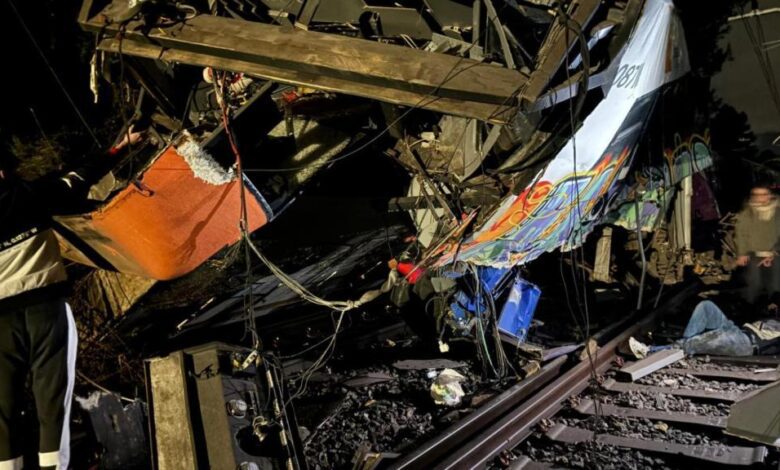
Tensions remain high in Andalusia following the large-scale train disaster near Adamuz (Córdoba). Authorities have officially confirmed that 42 of the 43 victims have been identified. Hospitals in the region are still fighting to save 31 injured people, six of whom are in intensive care. Despite the severity of their injuries, doctors say that there is currently no threat to their lives.
Among the hospitalized are both adults and children. Over the past 24 hours, six patients have been discharged, but the overall number of injured remains high. Families are still waiting for news about their loved ones, while the number of missing persons reports has reached 45. Authorities emphasize that the identification process is proceeding as quickly as possible, but it requires special caution.
Minister’s stance
Spain’s Transport Minister Óscar Puente issued a statement firmly rejecting suggestions that the tragedy was caused by inadequate rail maintenance. He said all inspections carried out on the section between Madrid and Sevilla found no irregularities. The minister stressed that any concerns raised by train operators are examined routinely and cannot justify such conclusions.
Puente also noted that marks found on the train’s wheelsets do not necessarily indicate infrastructure issues. He urged against drawing hasty conclusions, reminding that even the investigators are not yet ready to state the definitive causes of the accident. The minister emphasized that any assumptions at this stage would be mere speculation.
Train drivers’ response
Meanwhile, train drivers’ unions have announced a general strike. For several months, train operators have been deliberately lowering their speed due to concerns over track conditions. Now they are demanding not only safety guarantees from the authorities, but also that their feedback be taken into account. The transport minister has promised to carefully consider all demands and establish dialogue with railway workers’ representatives.
The situation on Spain’s railways remains tense. The strike could cause major schedule disruptions and affect thousands of passengers. Officials insist they are doing everything possible to stabilize the situation and prevent further tragedies.
Investigation progress
Investigators continue their work at the scene. Experts are thoroughly examining the technical condition of the train and the tracks. Particular attention is being paid to data from the onboard recorders and surveillance cameras. Officials have so far refrained from speculating on possible causes, stressing that conclusions will only be made once all analyses are complete.
Public dissatisfaction with the pace of the investigation is growing. Relatives of the victims and the injured are demanding transparency and honest answers. Many are questioning whether the tragedy could have been prevented if engineers’ warnings had received more attention.
Aftermath and Expectations
The Adamuz disaster has become one of Spain’s largest rail accidents in recent years. Authorities have pledged full support to the families of the victims and the injured. Additional medical teams remain on duty in hospitals across Andalucía, and psychologists are providing assistance to survivors.
Public opinion is divided: some believe the country’s rail system needs urgent reforms, while others see the incident as a tragic accident. With the investigation ongoing, debate around the disaster remains heated, and Spanish society is waiting for answers to the most pressing questions.