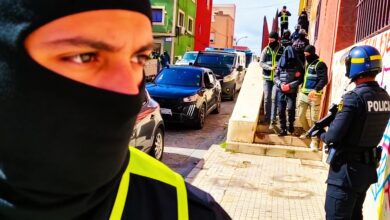
In the coming weeks, Ceuta and Melilla will see a significant change: the number of special police unit officers (Unidad de Intervención Policial, UIP) will be reduced to a minimum. While each city previously had 50 officers on duty, their number will now drop to 15. This decision comes amid financial and logistical difficulties, which have already caused discontent among the police.
The rotation of units, which used to take place every two weeks, will now proceed with reduced staffing. The entire country has participated in maintaining order in these two cities: units from Madrid, Barcelona, Valencia, Sevilla, Málaga, Granada, Bilbao, and other cities have taken turns sending personnel to Ceuta and Melilla. However, under a new verbal directive from the leadership, only small groups will now be sent.
The situation is further complicated by the fact that police officers on assignment have had to pay for travel and accommodation out of their own pockets, with reimbursements delayed. At the end of June, it emerged that police stations were almost out of funds, and even an emergency allocation of 20 million euros did not fully resolve the issue. This has sparked a wave of outrage among officers, who feel they have been left without support.
The presence of special forces is particularly important for Ceuta and Melilla due to ongoing migration pressure and high crime rates in certain neighborhoods. For example, El Príncipe in Ceuta is considered one of the most dangerous areas in the country, with rampant drug trafficking and most buildings constructed illegally. Police only enter such places during special operations, and local law enforcement cannot manage without the support of UIP officers.
Now, however, some officers believe the remaining forces are clearly insufficient to maintain order and prevent crime. Officials attribute the reductions solely to operational reasons, without giving further details. The ministry stresses that the total number of national police officers in Ceuta and Melilla is currently at a record high, yet provides no specific explanations regarding the changes.
Funding problems for special units have occurred before. During the UN summit in Seville last summer, thousands of police officers nearly had to pay for work travel out of their own pockets. The issue was resolved at the last minute, but the tension between law enforcement and the government only increased.
Police unions have openly voiced their dissatisfaction, seeing this as yet another sign of neglect by the Interior Minister. In their view, such measures have a direct impact on public safety and demotivate the officers.