In recent years, forecasts have increasingly appeared in Spain suggesting that by the middle of the 21st century, home cooking may give way to ready-made meals and convenience foods. Such claims spark debate among residents, for whom cooking is not just a household necessity but an important part of national identity.
Many Spaniards recall learning to cook for the first time in student apartments in Madrid or Valencia, experimenting with simple recipes and sharing meals with friends. For many young people, the kitchen became the place where friendships were forged and a sense of community was formed. Even abroad, for example during exchange studies in Argentina, Spaniards continued the tradition of shared dinners, bringing together people of different nationalities around one table.
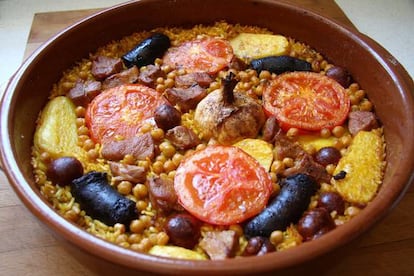
Culinary traditions in Spain are closely tied to the seasons and local ingredients. In spring and summer, fresh salads with figs or watermelon appear on the table, while in winter, hearty rice and vegetable dishes are common. Many recipes are passed down from generation to generation: from grandparents to grandchildren, from parents to children. Cooking paella or arroz on Sundays brings families together, and the process itself becomes an opportunity for conversation and sharing experiences.
With the rise in popularity of ready-made meals and the fast pace of modern life, many fear that traditional Spanish cuisine may be at risk. However, for people in the country, it is not only the quality of food that matters, but also the ritual of cooking itself. This is a time to step away from daily concerns, connect with loved ones, and feel tied to one’s homeland.
Experts note that preserving culinary traditions helps support local agriculture and foster regional markets. By buying fresh products from local producers, Spaniards sustain their regional economies and maintain the unique flavors characteristic of different parts of the country.
At the same time, many Spaniards oppose a complete shift to semi-prepared and convenience foods, believing it would lead to the loss of cultural values and the weakening of social ties. They advocate for greater support of farmers and producers, as well as upholding the traditions of family lunches and dinners.
Despite technological progress and changes in lifestyle, Spanish cuisine remains an important part of daily life. For many in the country, cooking is not just a way to feed the family but also an opportunity to show care, share joy, and maintain a connection to their people’s history.
The future of home cooking in Spain remains an open question. However, it is clear that for many Spaniards, the traditions of preparing food and sharing meals together still hold special significance. These moments create the unique atmosphere that distinguishes Spanish society and makes it truly unique.