This year, Spanish grain producers have found themselves under economic pressure directly impacting the cost and availability of staple foods. Rising prices for fertilizers and fuel, driven by instability in the Middle East, are already affecting farmers’ plans and could bring significant changes to Spain’s food market.
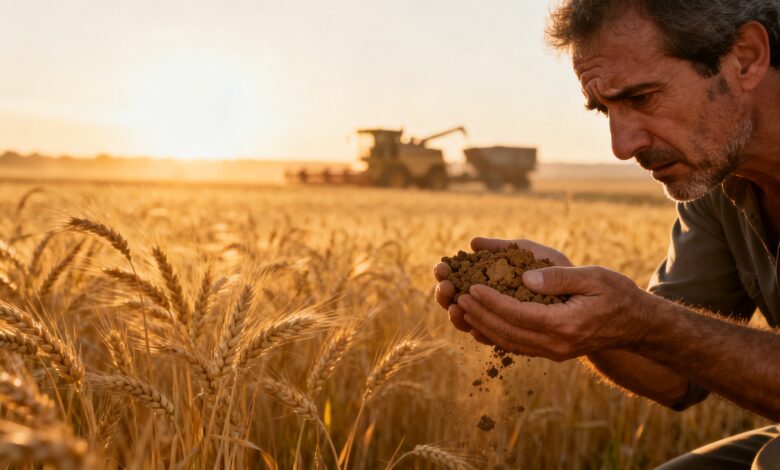
The situation is further complicated by the timing: spring is a critical period for crop yields, as nitrogen fertilization is applied and is essential for quality harvests. This season, fertilizer costs have jumped by nearly a third, and many farms are being forced to adjust their purchase volumes due to price spikes and supply disruptions. According to COAG, wheat and barley alone cover more than 3.5 million hectares in Spain, and the main producing regions—Castilla y León, Andalucía, Castilla-La Mancha, and Aragón—are now especially vulnerable to these changes.
Rising costs and new risks
Farmers note that in some regions, fertilizers were purchased before the conflict began, but in others, deliveries are delayed and prices keep climbing. As a result, many are cutting application rates or even postponing treatment, which could negatively affect yields. Russpain.com estimates that fertilizer expenses account for up to 15% of total grain production costs, and the current price surge could lead to losses for many farms.
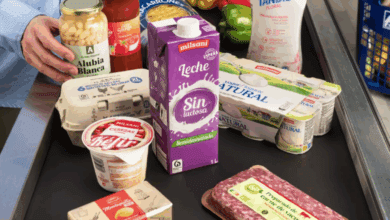
The impact of these changes extends far beyond agriculture. Grain is used not only for making bread and pasta, but also as a key component in animal feed. Increasing grain production costs will inevitably affect the prices of meat, bread, and other products, which all consumers will feel. Farmers warn: if the government does not compensate for the additional expenses, some operations may cease.
Imports and speculation
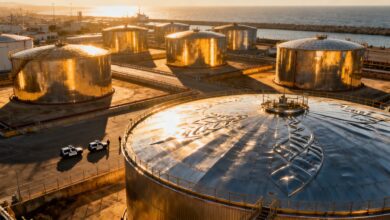
Although Spain imports most of its oil from countries not affected by the conflict in the Strait of Hormuz, fuel prices have risen due to market expectations and speculation. The main oil suppliers—USA, Nigeria, and Mexico—do not use routes through the conflict zone, yet even a small portion of imports from Saudi Arabia and Iraq affects overall price trends. According to COAG, the current increase in fuel costs is not related to an actual shortage, but rather driven by expectations of further disruptions.
In some regions, such as Rota, farmers remain calm for now, but are closely monitoring developments. Many hope that the government’s release of oil reserves will help stabilize the situation, but the effect remains unclear. Meanwhile, delays in fertilizer deliveries and rising fuel prices are already forcing many to reconsider their plans for the season.
Consequences for the market
Experts note that any changes in grain production costs are quickly reflected in the final prices for consumers. If the cost of raw materials rises by 20 cents, this can lead to a price increase of a euro or more on store shelves. This is particularly evident in the meat and bakery industries, where grain makes up a significant share of production costs.
The current situation resembles the crisis periods of recent years, when external factors—from the war in Ukraine to drought—caused price spikes and supply disruptions. Farmers now fear that without government support and market stabilization, some farms may not survive the season, and consumers may face a new wave of food price inflation.
In recent years, Spanish agriculture has already faced serious challenges: droughts, rising prices for energy and fertilizers, and the effects of international conflicts have repeatedly led to smaller harvests and higher food prices. In 2023, for example, many farms had to reduce their planting areas due to a dry spring and a spike in fuel prices. Analysts point out that such crises are becoming increasingly frequent, and their consequences are ever more palpable for the country’s economy and for Spanish households.