The Spanish government has officially launched preparations for the country’s main financial document for 2026. The first step was the Cabinet’s approval of the so-called ‘spending ceiling’, as well as the targets for the deficit and national debt. These parameters must now be submitted to the General Cortes for consideration.
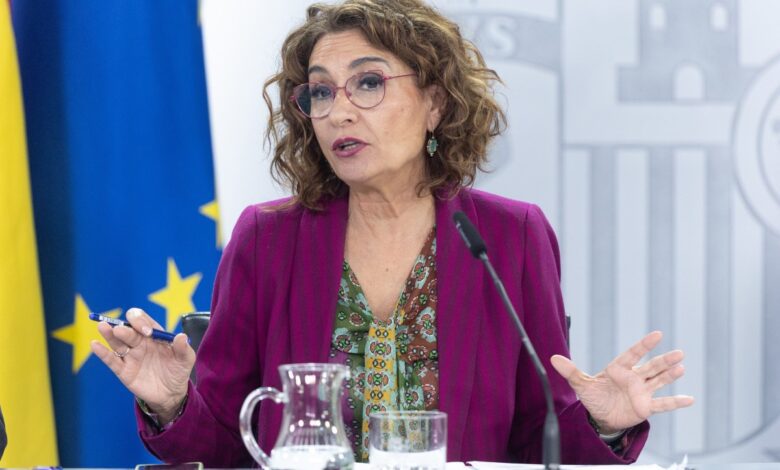
Vice President and Finance Minister María Jesús Montero outlined plans indicating that the draft budget will be presented to parliament in early or mid-first quarter of 2026. With this timeline, the final approval of the document is expected in April or May. However, the minister emphasized that this will require intensive dialogue with all political forces.
At the same time, the government is prepared to act more swiftly if needed. The Finance Minister signaled that if any political party, initially unwilling to cooperate, changes its stance and signals readiness to support the budget, the draft will be submitted for consideration immediately—even potentially before the end of 2025.
The budget itself is expected to play a decisive role in negotiations. Raising the ‘spending ceiling’ by 8.5% creates opportunities to expand citizens’ social rights and strengthen the foundations of the welfare state. The government hopes that these prospects will make the document appealing to the majority of political groups whose approval is necessary for its adoption.
The parliamentary approval process has its own specifics. The General Cortes do not vote on the ‘spending ceiling’, but must approve deficit and public debt targets. The law stipulates that if the first vote fails, the government must bring the matter up for reconsideration.
If the second attempt is also unsuccessful, alternative targets previously submitted to the European Commission as part of the structural fiscal plan will take effect. This scenario is less favorable for the regions, as it sets a zero-deficit requirement for the autonomous communities instead of the currently proposed 0.1%. This would significantly limit their financial flexibility and force them to cut expenditures. Preliminary estimates suggest the regions could lose more than 5 billion euros in potential funding.
María Jesús Montero expressed hope that all necessary votes in Congress, including a possible repeat, can be held by December this year. However, she noted that the final dates depend on the parliament’s internal schedule.