The decision by the Disciplinary Committee of the General Council of the Judiciary (Consejo General del Poder Judicial, CGPJ) came as a surprise to many Spaniards. The issue of whether judges should be allowed to make public statements about politicians has long been debated. Now, with the committee refusing to impose sanctions on judges who openly criticized government representatives, the move could shift the balance between branches of power and affect perceptions of judicial independence.
Committee Deliberations
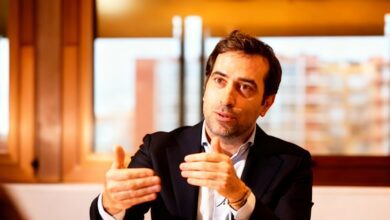
Judges Eloy Velasco and Manuel Ruiz de Lara found themselves at the center of attention after making outspoken remarks. In November 2024, Velasco compared former Equality Minister Irene Montero to a supermarket worker while discussing the consequences of the ‘only yes means yes’ law at a conference. Ruiz de Lara, in turn, posted on social media, accusing Prime Minister Pedro Sánchez of attempting to undermine the foundations of the state and using derogatory nicknames for Sánchez’s wife, Begoña Gómez.
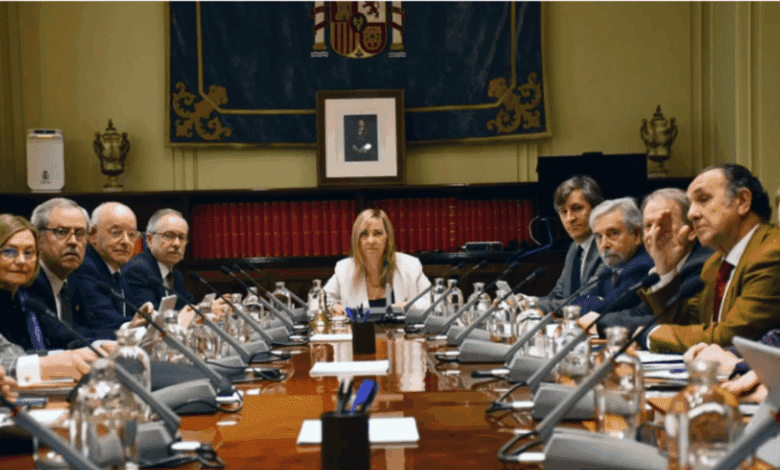
The Disciplinary Committee, with a conservative majority, voted to close the disciplinary cases against both judges. The decisive margin was four votes to three, with the three belonging to the committee’s progressive members. The latter expressed their dissent through a formal minority opinion. According to El Pais, financial penalties were initially considered, but in the end, the committee limited itself to issuing a warning.
Reaction and Consequences
The commission’s decision sparked a heated reaction in legal and political circles. Progressive council members argue that such statements by judges undermine trust in the judicial system and may be perceived as interference in politics. The conservative part of the commission, on the other hand, insists on freedom of expression, provided it is not related to the consideration of specific cases.
At the same time, the commission did impose a sanction on another judge—the presiding judge of the Palma de Mallorca court, Alejandro González Mariscal de Gante. He was fined 500 euros for delaying case proceedings, although the prosecutor’s office had demanded a harsher penalty in the form of temporary suspension. The decision regarding judges Velasco and Ruiz de Lara is final in administrative terms, but can be appealed to the Supreme Court.
Context and comparisons
The issue of whether judges may make public statements and the degree of responsibility for their words is increasingly relevant in Spain. Another high-profile case was recently debated in the country involving court costs and the actions of the prosecutor’s office. For example, a report on a dispute over nearly 80,000 euros in legal fees—which could change the approach to such cases—closely examined the implications for Madrid and the entire judicial system (more on legal fees and the prosecutor’s position).
According to El Pais, the decision regarding judges Velasco and Ruiz de Lara highlights the complex balance between freedom of speech and the need for judicial representatives to maintain neutrality. In Spain, such situations often become matters of public debate because they affect trust in institutions and perceptions of justice.
Reference information
In recent years, Spain has repeatedly seen disputes over disciplinary measures against judges who have commented on political issues. In 2023, there was a case where a judge was temporarily suspended for remarks about government actions. Similar situations have been recorded in other European countries, where judges have faced disciplinary proceedings for public statements. Such decisions often attract widespread attention and prompt reconsideration of codes of conduct for members of the judiciary. In Spain, these cases are typically accompanied by vigorous public and media debates, underlining the importance of transparency and judicial independence.