Spain’s judicial system is on the verge of major changes: a shortage of judges threatens the stability of the courts and affects the interests of millions. The issue is not just a lack of specialists—it risks case delays, increases the workload for active judges, and could disrupt the delivery of justice. For the first time at this level, an official warning has been issued about the scope of the problem, which may impact the quality and speed of legal proceedings nationwide.
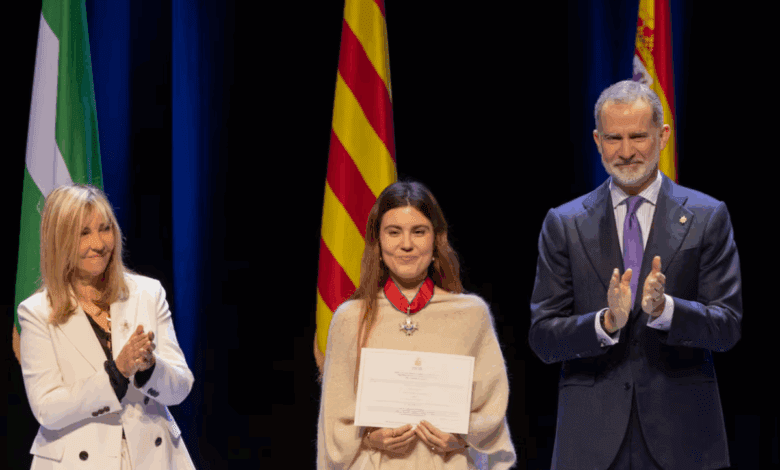
During a formal ceremony in Barcelona to present credentials to new judges, the president of the General Council of the Judiciary (Consejo General del Poder Judicial), Isabel Perelló, openly addressed Spain’s critical shortage of judges. Although 500 vacancies are expected to be filled this year, Perelló stressed that these steps do not resolve the underlying issue. According to her, new positions are being created, but the actual number of working judges is not increasing, meaning the pressure on the system remains.
Systemic challenges
Authorities have announced a reform: instead of traditional single-judge courts, collegiate panels will be introduced, where several judges work together but with a minimal support staff. According to Perelló, this approach will not only fail to increase the number of specialists but will also result in more unfilled vacancies. This, in turn, could lead to further case delays and longer waiting times for citizens.
Perelló called for urgent measures: it is necessary to immediately organize additional competitions and ensure real staff reinforcement. She insists that the solution cannot depend on future uncertain circumstances—clear planning, investment, and coordinated work from all government bodies are required.
Impact on the system
Key figures attended the ceremony: Minister of the Presidency, Justice, and Parliamentary Relations Félix Bolaños, Catalan government representative Albert Dalmau, and Attorney General Teresa Peramato. The event drew special attention from King Felipe VI, who emphasized the importance of ethical standards and the responsibility of new judges to uphold the democratic foundations of the state.
In her speech, Perelló also addressed the issue of pressure on judges, stressing the need to protect their independence not only from direct interference but also from indirect influence. She reminded the audience of the European Union’s requirements for guaranteeing judges’ status and called for respect for their role in society.
Portrait of the new judges
This year, 121 new specialists joined the judicial corps, 85 of whom are women. The average age of the newly appointed judges is 29, and on average, it took them over five years to enter the profession. Notably, most of them do not have relatives in the legal field, and a third grew up in families without higher education. The main motivation for joining the service was the desire to protect citizens’ rights and to uphold principles of justice.
Statistics show that 74% of new judges chose the profession out of a love for law, and 72% wanted to guarantee fundamental rights. These figures reflect a generational shift and new values coming into the country’s judiciary.
Context and implications
The issue of a shortage of judges in Spain has been discussed for years. Recently, similar concerns have been raised in other European countries, where judicial systems are facing a rising caseload and increasingly complex proceedings. In 2024, France and Italy also launched large-scale initiatives to attract new personnel, but the results have been mixed: despite more open positions, the actual number of judges has grown slowly, leaving the system still under significant strain. In Spain, the situation is complicated by the country’s regional structure and the need to consider the interests of the autonomous communities. The issue of court reform and increased funding remains one of the most pressing topics on the agenda, and each new appointment or structural change sparks widespread public debate.