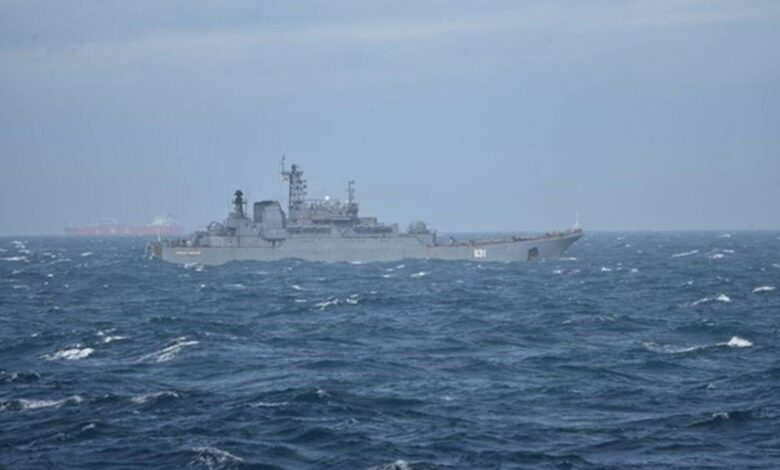
Events in the area of the Strait of Gibraltar have once again drawn attention to Spain’s national security issues. Amid rising tensions in international waters, the actions of the Spanish Navy have gained special significance for safeguarding the country’s interests and regional stability. The operation to intercept a foreign military vessel clearly demonstrated Spain’s preparedness to respond to potential threats.
The warship Audaz, part of the Armada, detected and began tracking the movements of a Russian landing ship in this strategically important zone. This stretch of sea is traditionally considered key for controlling maritime routes between the Atlantic and the Mediterranean. Spanish forces not only registered the arrival of a foreign vessel, but also ensured constant monitoring along its route near Spain’s national interests.
Operation details
According to command sources, the operation took place on the Mediterranean side of the strait. Audaz was ordered to locate and shadow the Russian ship Alexander Otrakovskiy as it moved from the Atlantic to the eastern Mediterranean. The Spanish Navy acted as part of a mission focused on presence, surveillance, and deterrence, allowing for a timely response to the appearance of a non-NATO vessel.
For several days, Audaz maintained visual and electronic contact with the Russian ship, preventing it from leaving the area under observation. Such actions demonstrate the high level of coordination and readiness of the Spanish Navy to respond swiftly to any changes in the situation. Authorities emphasize that these operations help strengthen security and allow early detection of potential threats.
Significance for Spain
Control over the Strait of Gibraltar is strategically important for all of Europe, but especially for Spain. Key trade and military routes pass through these waters, and any incidents can impact the country’s economy and security. The Spanish fleet regularly monitors the movements of foreign military vessels to prevent violations and protect national interests.
Surveillance operations involving non-NATO ships have become an integral part of the fleet’s duties. This approach not only ensures a high level of situational awareness in the region, but also enables quick response to emerging challenges. In recent years, these missions have taken on particular significance due to increased foreign military activity in the Mediterranean.
Regional Impact
The actions of Spanish military forces in the Strait of Gibraltar impact not only internal security, but also overall regional stability. Timely detection and shadowing of foreign vessels reduces the risk of incidents and helps maintain the balance of power. Authorities note that such operations make it possible to identify threats before they escalate into crisis situations.
Spain’s experience in conducting surveillance and deterrence operations is highly valued among its allies. Regular patrols and monitoring of maritime routes are becoming a key element of collective security in Europe. Amid shifting geopolitical conditions, these measures are increasingly important for safeguarding the country’s interests and those of its citizens.
Context and recent developments
In recent years, the Spanish Navy has repeatedly had to escort foreign warships passing through the Strait of Gibraltar. Such incidents have occurred in the past as well, when vessels from Russia, China, or other countries appeared near Spanish territorial waters. Each time, the military demonstrated readiness to respond promptly and maintain control over the situation.
In 2025, a similar operation was carried out involving a Chinese destroyer, and in 2024, Spanish military forces escorted a group of Russian ships heading to the Mediterranean Sea. These events confirm that Spain continues to pay special attention to the security of its maritime borders and actively participates in maintaining stability in the region.