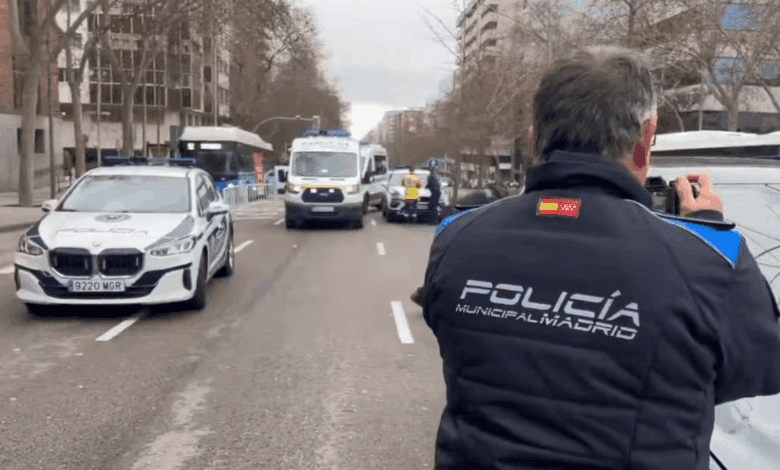
In recent years, Spanish cities have faced a troubling trend: the number of pedestrian accidents is steadily increasing. The reasons lie not only in infrastructure, but also in changing habits of the residents themselves. A new study on pedestrian behavior at crosswalks has revealed unexpected details that directly impact street safety.
Experts note that using mobile phones while crossing the street has become almost the norm for many Spaniards. Even high awareness of the risks does not stop people: most admit to getting distracted by calls or messages while walking across the zebra crossing. As a result, every third pedestrian does not pay enough attention to traffic conditions, which increases the likelihood of accidents.
Risk factors
Impulsiveness and the habit of being in a hurry also play a significant role. Surveys show that a considerable number of pedestrians regularly cross at a red light or outside designated areas. Many believe they know the neighborhood well and can assess the situation, which creates a false sense of security. As a result, even at regulated crossings, where everything seems intended to protect people, tragedies still occur.
Particular attention is given to the age group over 65. Elderly people are most often the victims of traffic collisions, even though they tend to be more cautious. This is because reaction times slow down with age, and visibility in some areas of the streets leaves much to be desired. Authorities emphasize the need for additional viewing zones and better lighting at crosswalks to reduce risks for the most vulnerable road users.
Technology and Habits
Mobile devices have become an integral part of daily life in Spain. According to research, more than a third of pedestrians use their phones not only while walking, but even when crossing the road. The most common activities are phone conversations and reading messages. This lack of attention causes many dangerous situations, especially during rush hours when traffic is at its peak.
At the same time, many pedestrians express dissatisfaction with the quality of urban crosswalks. Nearly half of respondents believe that pedestrian crossings are not visible enough, and that safety on them can and should be improved. Suggested measures include installing more waiting areas and improving the visibility of road signs. Most people support the idea of information campaigns aimed at reducing mobile device use when crossing streets.
Urban Solutions
Authorities in major cities such as Madrid and Bilbao have already begun implementing new approaches to traffic management. Speed limits are being introduced, pedestrian zones are expanding, and modern technologies are being used to monitor compliance with regulations. These measures aim to make the urban environment safer and more comfortable for all road users.
Experts emphasize that only a comprehensive approach can truly change the situation. Not only are technical innovations required, but also a shift in citizens’ attitudes toward safety issues. It is important for everyone to recognize their own responsibility and avoid relying solely on infrastructure or the actions of other road users.
Public response
Most Spaniards support stricter controls on mobile phone use at pedestrian crossings. Many believe that such violations should result in administrative measures. At the same time, society is actively discussing the need for educational programs to help change entrenched habits and reduce the number of road injuries.
The discussion also raises the need to adapt urban spaces for the elderly. Suggestions include creating special zones for safe crossing and implementing additional features to improve visibility and convenience for all categories of pedestrians.
In light of recent events involving transport disruptions and changes in traffic organization, public attention to street safety has become especially pressing. For example, the recent halt of Rodalies train services in Barcelona sparked discussion about the reliability of the transport system and the need to rethink approaches to urban planning. On RUSSPAIN.COM, you can find a detailed analysis of these incidents and their impact on residents of Catalonia.
Context and Trends
In recent years, pedestrian safety has frequently been debated in Spain, particularly in major cities. Following a series of high-profile incidents, authorities have tightened control over compliance with traffic rules and begun implementing new standards for managing pedestrian crossings. Several regions have rolled out large-scale public awareness campaigns about the dangers of inattention on the roads. At the same time, cities are embracing innovative solutions—from smart traffic lights to special road surfaces that enhance zebra visibility at night. Despite these efforts, the issue remains urgent, and experts continue searching for effective ways to reduce the number of street tragedies.