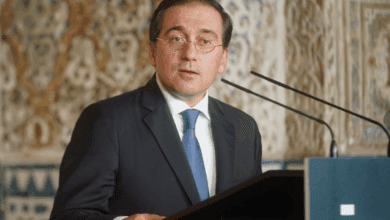
A high-profile trial against the Pujol family, accused of money laundering and other financial crimes, is ongoing in Madrid. At the latest hearing, anti-corruption prosecutor Fernando Bermejo strongly opposed the defense’s motions to declare the proceedings invalid. He stressed that attempts to introduce political motives related to events in Catalonia are irrelevant to the charges at hand.
Bermejo, who took over from a colleague who led the investigation for nearly ten years, noted that all evidence was obtained in accordance with the law. According to him, none of the exhibits were falsified or collected in violation of the defendants’ rights. The prosecutor urged the court to disregard the defense’s claims of supposed political bias and to proceed with the merits of the case.
Politics and Justice: Drawing the Line
The defense for the Pujol family members, including Josep and Oriol Pujol Ferrusola, argued that the investigation was launched under pressure from the so-called ‘patriotic police.’ In particular, they referred to testimony from the eldest son’s former partner, Victoria Álvarez, who later received government funds. There were also mentions of pressure on the BPA bank management in Andorra and data theft that ended up in the hands of investigators.
The prosecutor, however, stated that these circumstances did not affect the legitimacy of the evidence. He emphasized that all materials were collected with full respect for the rights of the accused, and that any attempts to present political rumors as grounds for dismissing the case were unfounded. Bermejo reminded the court that it should focus solely on facts related to financial crimes, not on political disputes.
Two key episodes in the Pujol case
The judicial investigation into the Pujol family began with two independent events that later merged into a single case. The first was the statement by Victoria Álvarez in December 2012, in which she described transporting large sums of cash between Catalonia and Andorra, as well as the family’s foreign transactions. The prosecutor noted that this statement provided sufficient grounds to launch an investigation.
The second key moment was the public confession by Jordi Pujol in July 2014 regarding the family’s hidden funds abroad, which he claimed were inherited from his father. This confession, made following media publication of bank statements, became the formal reason for opening a new case. The defense tried to challenge the legality of this evidence, citing pressure on bankers; however, the prosecutor insisted that the confession was made voluntarily and was not connected to the publications.
Arguments of the parties and the court’s position
During the session, the prosecutor systematically addressed all the defense’s arguments, rejecting them one by one. He emphasized that the jurisdiction of the Audiencia Nacional is justified since the money concealment operations took place outside of Spain. Bermejo also stated that the crimes cannot be considered time-barred and that all decisions of the investigating judge were upheld by higher courts.
The prosecutor paid particular attention to the criticism that the indictment was allegedly too vague. He pointed out that all details will be thoroughly examined during the public trial, which is precisely why the proceedings are continuing. The court panel is expected to rule on the defense motions on December 10, and the defendants themselves will be allowed to skip hearings until their testimonies next spring.
Proceedings continue amid high anticipation
The third hearing in the Pujol family case became a pivotal stage for the defense, which sought to have the proceedings dropped. However, the prosecutor consistently refuted all their arguments, citing the integrity of the investigation and the existence of concrete evidence. He stressed that the inquiry was not a ‘fishing expedition’ but was based on real facts, not speculation.
Despite a court order allowing defendants to skip hearings until spring, some chose to remain in the courtroom and hear the prosecution’s arguments in person. Now, all eyes are on the court’s decision, which will determine the future of one of Spain’s most high-profile financial cases in recent years.