Spain’s railway system is bracing for major disruptions as unions have announced a three-day strike affecting all key routes across the country. The decision follows failed negotiations with the Ministry of Transport, sparking immediate concern among passengers and industry workers. Safety standards and working conditions lie at the heart of this dispute, with both daily rail users and railway employees set to feel the impact.
Unions insist that the strike is the only remaining way to draw attention to safety issues on the railways. They argue current standards fall short, and previous attempts at dialogue with authorities have led nowhere. As a result, train drivers and other railway workers nationwide are being called to join the protest, which will bring train services to a halt for three days.
Root causes of the conflict
Union frustration over the ministry’s response to their demands is the main reason behind the escalation. Railway employees feel their voices are being ignored and safety concerns remain unaddressed. Union representatives believe that only drastic measures can force authorities to reconsider their stance and initiate real changes within the system.
During the first meeting between the unions and the ministry, no compromise was reached. Both sides maintained their positions, and the unions immediately stated they have no intention of cancelling the planned actions. They stressed that all legal procedures for organizing the strike have already been initiated and that no one is planning to call it off.
Impact on passengers
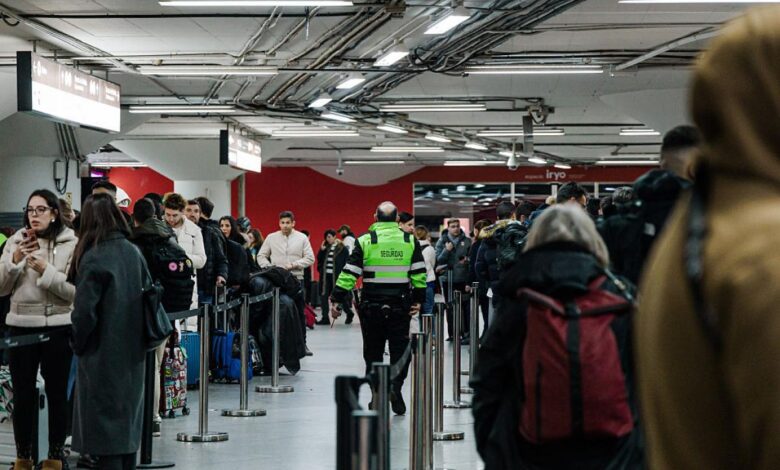
The strike is expected to affect thousands of passengers across Spain. Many routes will be canceled or significantly reduced, creating additional difficulties for those who rely on rail transport daily. The situation will be especially acute for residents of major cities and suburbs, where trains remain the primary mode of transportation.
Passengers have already begun looking for alternative options to avoid getting stranded during the strike days. Some companies are warning about possible delays and recommend planning trips in advance. Meanwhile, unions insist their actions are aimed at long-term improvements for everyone involved in the rail industry.
Industry response
Railway companies have found themselves in a difficult position: on the one hand, they are required to comply with the law and ensure safety; on the other, they face pressure from employees and unions. Company management has expressed concern about potential losses and schedule disruptions, but acknowledges that without dialogue with workers, the problem cannot be resolved.
The Ministry of Transport has not yet commented on the details of the negotiations, but it is known that the agency is prepared for further meetings. Nevertheless, unions insist that unless their key demands are met, the strike will go ahead in full.
Context and consequences
In recent years, Spain’s railway sector has faced similar protests. Strikes in the transport industry have often led to mass cancellations and delays, causing frustration among the public and businesses. In 2024, a similar action resulted in a temporary suspension of traffic on several main routes, and in 2025, new safety standards were discussed but their implementation was never completed.
The situation with the current strike demonstrates that industry problems remain unresolved. Each new conflict increases pressure on authorities and companies, forcing them to seek compromises and reconsider their approach to managing the transport system. In the coming days, the whole country will be watching events unfold on the railways.