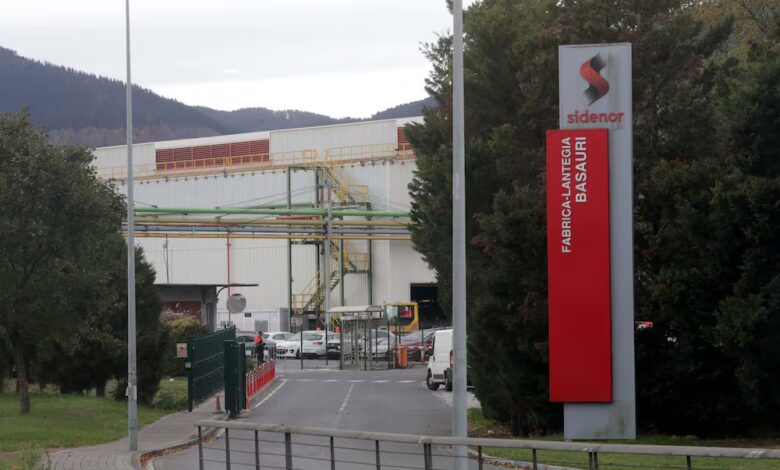
At the gates of the Sidenor steelworks in Basauri (Basauri, Basque Country), tensions are high: fences and streetlights are plastered with anti-Israel slogans and boycott calls. Factory workers do not hide their anxiety— their company has become the focus of a high-profile investigation over steel exports to Israel at the height of the Gaza conflict.
Investigation and Allegations
Spain’s National Court has launched proceedings against the head of Sidenor and two senior managers. They are suspected of illegally selling steel to an Israeli firm specializing in weapons manufacturing. According to investigators, the deals were made without approval from Spanish authorities and were not registered in mandatory state export lists. The inquiry was initiated by a Palestinian association from Catalonia, which filed a complaint over the possible smuggling of dual-use materials.
For several months, details of the case were kept under wraps. However, after reports in foreign media and the release of information about specific batches of steel sent to Israel, the situation escalated. Authorities in the Basque Country publicly demanded answers from Sidenor, and the company was forced to issue official statements.
Reaction from Workers and Unions
Factory workers admitted they were shocked by the news. Many of them had no idea where exactly the products were being sent and only learned the details from the media. Confusion and dissatisfaction are widespread among the staff: they fear their labor could be used for military purposes. The unions are demanding transparency from management and an immediate end to all ties with Israeli companies connected to the defense industry.
In August, the collective organized a strike to show solidarity with the residents of Gaza. Workers insist they do not want to be involved in the conflict and demand that their work not be used for weapons production.
Details of the shipments and the company’s position
The investigation found that since the summer of 2024, Sidenor sent over 1,200 tons of steel to Israel, including several large shipments through the ports of Barcelona and other cities. After the investigation began, the company announced it was ending cooperation with Israeli partners, citing the Spanish government’s decision to suspend contracts with Israel. However, many questions remain unanswered: it is unclear whether management knew the products’ final destination and why the deals were not properly documented.
Authorities have so far refrained from charging the company itself as a legal entity, so as not to harm the workers. However, several managers are facing charges of smuggling and complicity in crimes against humanity.
Impact of the scandal on the region and business
Sidenor is one of the largest players in the metallurgical industry in the Basque Country, with production facilities across several regions of Spain and offices throughout Europe. Contracts with Israel accounted for less than 1% of its total turnover, but the scandal’s repercussions could prove far more serious for the company’s reputation and the entire sector.
So far, Sidenor’s management has refrained from making detailed comments, promising to provide all necessary information to the investigation. Meanwhile, employees continue to demand assurances that their work will not be used for purposes contrary to their ethical values.