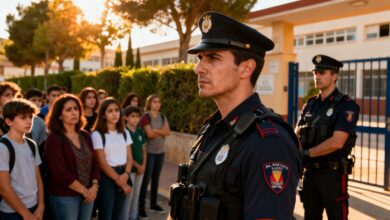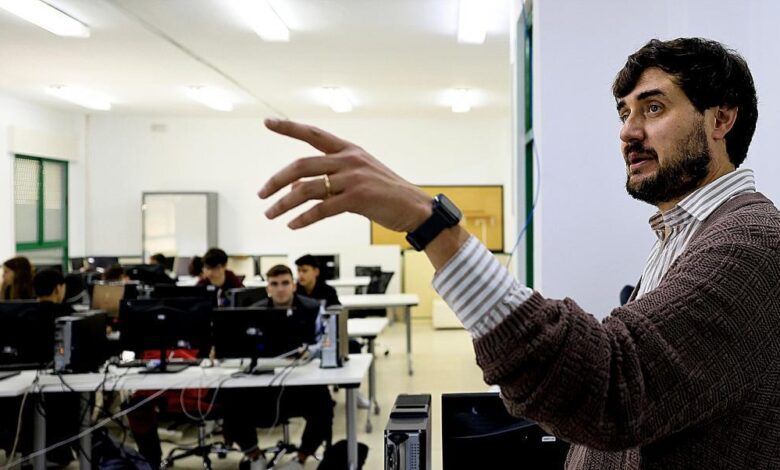
Discipline in Spanish schools is causing increasing concern. According to the latest TALIS international study, teachers in Spain encounter noise, disorder, and constant interruptions in class more frequently than their counterparts elsewhere. Compared to other European countries and OECD members, Spanish teachers are forced to spend a significant portion of their time not on teaching, but on trying to restore order in the classroom.
Nearly a third of secondary school teachers admit to constantly facing noise and chaos during lessons—much higher than the European average. Even more time is spent simply waiting for silence and making sure students have started working. As a result, about 18% of classroom time is dedicated to maintaining discipline, while in some countries, this figure is half as much.
Problems with order in schools manifest in various ways: from bullying and cyberbullying to verbal abuse of teachers, vandalism, and even incidents involving illegal substances. School administrators note that such incidents occur more often than they would like. The situation is especially challenging for young teachers, who find it more difficult to gain authority in tough classrooms. However, in Spain, experienced teachers tend to choose calmer schools, rather than those where their expertise could be especially valuable.
Another serious problem is excessive bureaucracy. Spanish teachers complain about the enormous amount of administrative tasks, which exceeds the European average. Most educators note that paperwork and grading take more effort than working directly with children. This leads to stress and a decrease in motivation.
The situation is aggravated by the age composition of the teaching staff. There are few young specialists among teachers, while a significant portion of employees are already over 50. Staff renewal is slow, making it harder to connect with the new generation of students. Additionally, many teachers feel their professional training was insufficient and do not feel confident even teaching their core subjects.
The country’s authorities acknowledge the urgent need to revise approaches to teacher training and reduce bureaucratic burdens. In the near future, a reform of teacher education is planned, along with discussions on new working standards with unions. These measures are expected to help teachers refocus on the essentials — educating and nurturing children.