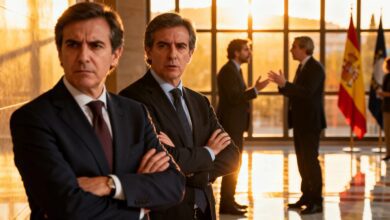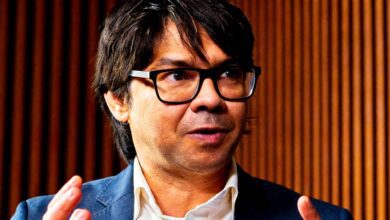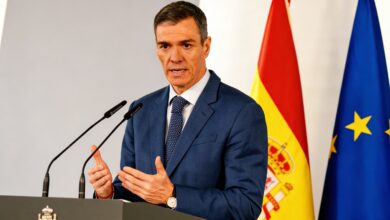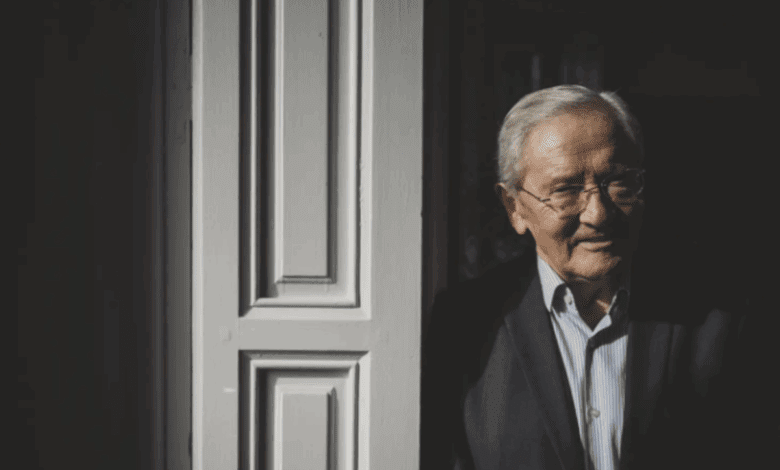
The death of Fernando Ónega is a significant event for Spain: his writing and his work within the circles of power shaped key decisions that defined the course of the transition and cemented fundamental civil rights. This continues to influence current debates on how to maintain the balance between compromise and legal rights. As Ale Espanol writes, memories of his influence draw renewed attention to the institutions and norms established during that era.
Ónega stood alongside Adolfo Suárez at a critical juncture, crafting speeches that advocated for the 1977 amnesty and the protection of the right to political association. Working in the office, he often transformed dry political language into clear, accessible phrases later used by those in power. His involvement in preparing speeches became a routine part of dismantling the repressive structures of the past.
Ónega’s career was marked by sharp transitions: from the editorial office of Arriba newspaper to leading the news divisions of major radio stations, and eventually into a post at Moncloa. There, he witnessed how the aging palace and its former residents left their traces, ranging from everyday stories to flattering rumors. The episodes he described are part of the informal history of power, adding nuance to the official chronicle of political reforms.
In one account, he explained how people with diverse backgrounds came to power, shaping the atmosphere. This is why questions about the histories of certain agencies and appointments resurfaced repeatedly. Sometimes, personal anecdotes reveal more than any written act or decree.
The story of his role as a ‘speech boy’ illustrates the complexities of this transition: a young journalist with experience in government circles brought ideas from the most unexpected sources, including magazine articles, into public political statements. This blend of diverse influences reflected the nature of negotiations and the search for compromise.
There was also an awkward episode involving Torcuato Fernández-Miranda: attempts to turn the journalist’s platform into a mouthpiece for other projects met with censorship and irritation. These clashes show that discourse editing in those years often occurred under pressure from party and departmental interests.
Many tried to reproach Ónega for his past work at Arriba, but his professional biography was more complex: he criticized the regime from within and paid for it with personal isolation on the editorial board. Such contradiction is typical of those who found themselves between generations and institutions on the threshold of change.
His departure from the official press for Suárez’s office was brief: he could not bear the compromises required when asked to conceal information about one minister’s condition. This ethical resistance and resignation from authority adds another layer to understanding how the framework of new public information took shape.
He later returned to journalism and radio, managed news programs, and eventually headed information services, remaining a voice familiar with both worlds — the office and the newsroom. The books and memoirs he left behind have become a resource for historians and publicists; their artistic and documentary value continues to spark interest in that era.
Details on the media’s response and retrospectives can be found in the review of memoirs about the chronicler on RUSSPAIN, which brings together evidence of his influence and the public’s reaction. This publication completes the picture of how the modern press is reinterpreting the role of individual figures from the transition period.
Onega also left behind personal stories: memories of his home in Galicia, of simple kitchens and childhood images that often came up in his conversations. These everyday details give depth to his character and make him more relatable to the wider public — not only as a speechwriter but as someone who truly felt the country in its smallest details.
In recent years, the informational and cultural role of such chroniclers has become a subject of public interest: commemorative discussions, critiques, and the honoring of key figures of the transition period go hand in hand. Onega’s death brings these questions to the fore once again and prompts a reconsideration of what should be seen as an achievement and what as a compromise.
Supporting context: In recent years, Spanish media have regularly published retrospectives on key figures of the transition and on how private stories intertwined with public decisions. These materials encourage new research on the role of editors and advisors in shaping political rhetoric; they also note that interest in the era remains strong and society continues to seek lessons from the past