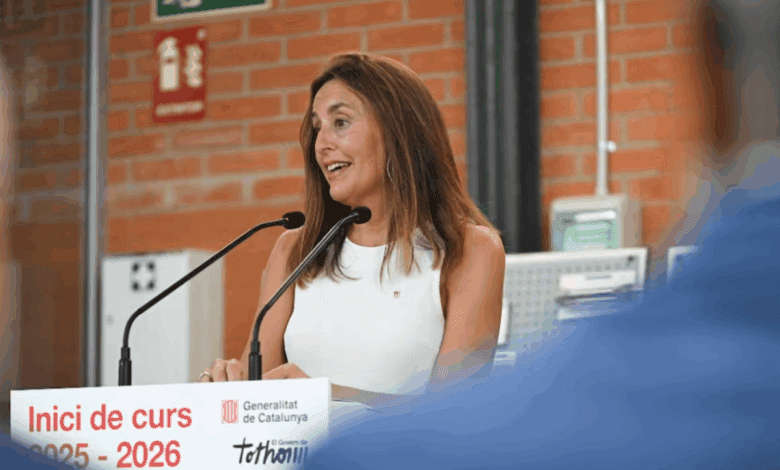
The sudden temporary leave of the head of the Department of Education and Vocational Training of Catalonia has taken the region’s education system by surprise. Esther Niubó’s decision to suspend her duties is due to a necessary surgical procedure and subsequent recovery. This development has already led to a reshuffling of responsibilities within the government and could affect the implementation of current educational initiatives.
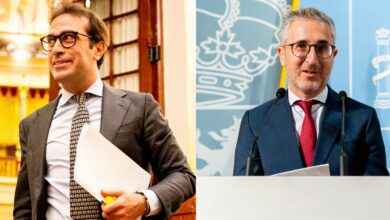
In her official statement, Niubó emphasized that she expects to return to work as soon as possible. However, over the coming weeks, her duties will be carried out by a team of deputies. Specifically, executive decisions will now be made by the department’s three secretaries: Teresa Sambola, Ignasi Giménez, and Francesc Roca. This approach aims to ensure the smooth operation of the agency and maintain stability in the management of the education sector.
Internal reshuffling
While Niubó undergoes treatment, her office will be overseen by Albert Dalmau, who heads the Department of Presidency Affairs. This decision was made to prevent disruptions and ensure continuity in making key decisions. Additionally, public events related to the department’s activities have been temporarily distributed among other members of the Catalan government.
Interestingly, Dalmau is already serving as acting head of the presidential administration, as Salvador Illa is also on medical leave following a recent hospitalization. As a result, Dalmau now faces a double workload, which could impact the efficiency and quality of decision-making in the coming weeks.
Reaction and support
In her statement, Nyubo expressed confidence in the professionalism of the medical team and emphasized that she fully trusts her colleagues who will temporarily take over her duties. She noted that the department remains in reliable hands and that all processes will continue as usual. She received support not only from fellow government members but also from President Illa, who wished her a speedy recovery and return to work.
The simultaneous temporary leave of two key figures in the Catalonia government has sparked discussion among experts and the public. Many are wondering how this will affect the implementation of educational reforms and regional governance as a whole. Authorities assure that all decisions will be made collectively and that priorities will remain unchanged.
Consequences for the system
Nyubo’s temporary absence may prove challenging for the education department, especially as the region is implementing major projects to modernize schools and develop vocational training. The success of these initiatives and overall public trust in the authorities will depend on how effectively the team of deputies works together.
At the same time, such situations are not uncommon in Spanish politics. In recent years, several high-ranking officials have temporarily stepped down for health reasons, which has consistently led to internal reshuffling and temporary redistribution of responsibilities. Typically, these changes do not affect long-term plans but may slow the implementation of specific projects.
Recalling recent cases, it is worth noting that similar situations have occurred in other regions of Spain. For example, last year the temporary resignation of the head of the health department in Madrid was also accompanied by the delegation of authority to deputies and discussions about possible consequences for the system. In most cases, the government has managed such challenges successfully, ensuring stability and continuity of governance.