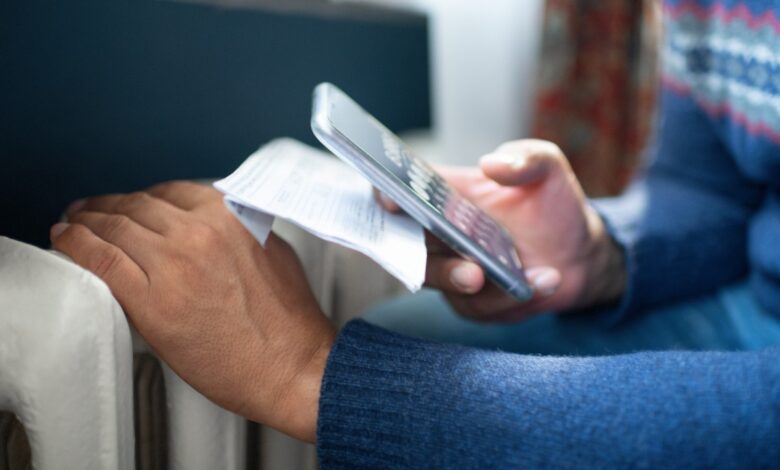
In Spain, paying utility bills is becoming an increasingly urgent problem for those living in rental housing. According to recent data, nearly a third of tenants cannot keep their homes at a comfortable temperature during the colder months. These are not just statistics—behind these numbers are real stories of families forced to choose between paying their bills and other essential expenses.
In 2024, experts estimate that more than 8.5 million people in the country have admitted they cannot afford to keep their homes warm in winter. Although this number has slightly decreased compared to last year, the problem remains widespread. Nearly 5 million people regularly fall behind on electricity and gas payments, highlighting the systemic nature of energy poverty.
Tenants under pressure: why them in particular?
Experts point out that tenants suffer from energy poverty much more often than homeowners. While about 18% of all households struggle to stay warm in winter, among tenants this figure reaches 30%. The reason is simple: the incomes of these families often cannot keep up with rising electricity and heating costs.
Moreover, more than 13% of tenants are experiencing so-called ‘hidden poverty’—they are forced to save on lighting, heating, and even cooling in summer. This is 4% higher than the national average. For many families, such restrictions are becoming the norm rather than the exception.
Hidden poverty and regional disparities
The problem of energy poverty is unevenly distributed across the country. Residents of Extremadura and Andalucía are particularly affected, with the proportion of families struggling to pay utility bills reaching 27% and 14% respectively. This is influenced not only by income levels but also by poor energy efficiency of buildings, making heating especially expensive.
Across Spain, nearly one in four households faces ‘invisible’ poverty: people are forced to cut back on basic comforts to stay within budget. Although there has been a slight improvement compared to previous years, experts warn that it is too early to relax.
Spending trends and the role of social measures
Interestingly, despite rising incomes and a decrease in average energy spending, 16.5% of families spend more than twice the national median on utilities. This indicates that for a significant part of the population, electricity and gas bills remain unaffordable.
At the same time, the indicator based on the minimum income standard rose to 15%. This means that even with a formal increase in wages, many families do not feel any real improvement in their situation. The gap between actual expenses and the minimum needed for a comfortable life in 2024 amounted to €150—12% less than the previous year, but still significant.
Barriers and support: does the ‘social bonus’ help?
Researchers emphasize that without government support, the situation would be even worse. The so-called ‘social bonus’ helps millions of families pay their bills, although it does not fully solve the problem. More than half of the recipients of this aid are renters, and their number has increased by 8% over the past year.
However, access to this type of support remains limited: many families face bureaucratic hurdles when submitting their paperwork. Experts believe that without further reforms and improvements in housing energy efficiency, energy poverty will remain one of the country’s main social challenges.
In case you didn’t know, Universidad Pontificia Comillas is one of Spain’s leading research centers in the fields of energy and social policy. Its experts regularly publish analytical reports that form the basis for government-level discussions. Thanks to their work, the issue of energy poverty in the country is receiving increasing attention, and proposals to address it are being discussed not only among experts, but also by lawmakers.