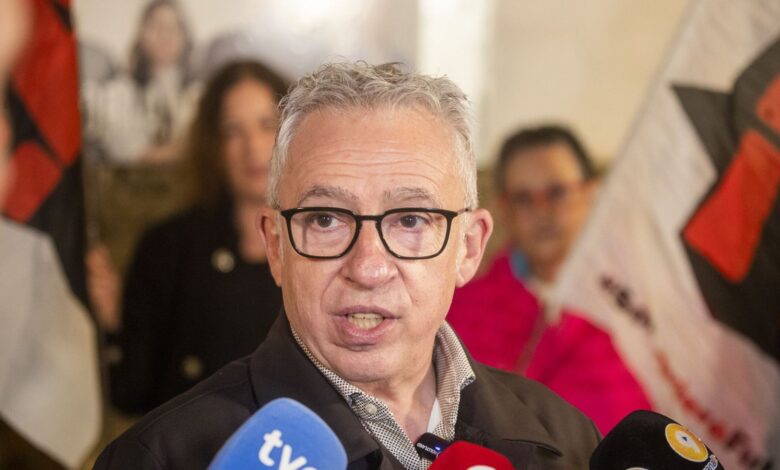
Ahead of the upcoming elections in Castilla y León, Spaniards are focusing on the figures who could reshape the familiar political landscape. José Ángel Ceña, the Soria ¡Ya! candidate, has become a symbol of change for the province’s residents, where demographic and infrastructure issues have long awaited solutions. His entry into politics reflects society’s growing demand for representatives with real experience in public administration and a deep understanding of local challenges.
Roots and Education
José Ángel Ceña was born in Soria in 1967, and from an early age, he maintained a close connection with the region’s culture and history. He attended renowned schools in the city, where he developed a strong interest in the humanities. Later, he enrolled at the University of Valladolid, earning two degrees—one in Law and another in History. This academic foundation offered him a fresh perspective on administrative and territorial development issues, a key concern for provinces with low population density.
Ceña’s dual specialization is a rare combination among Spanish officials. It has enabled him to consider not only the legal, but also the historical factors behind the region’s current situation. According to RUSSPAIN.COM, such professionals are increasingly in demand in government, where complex and multifaceted solutions are necessary.
Career in Public Service
Since 1992, Ceña has been part of the Cuerpo Superior de la Administración General de la Junta de Castilla y León. Over the years, he rose from a regular employee to an expert in regional administration. His career spans decades working with administrative processes, giving him deep insight into the inner workings of the autonomous community.
Colleagues note his commitment to Soria’s interests and his constant involvement in community life. Ceña actively supported cultural and sports initiatives and was known as an avid long-distance runner. His favorite sports teams include CD Numancia de Soria and the Río Duero volleyball club, and at the national level he follows Atlético de Madrid.
From civic engagement to politics
A pivotal moment for Ceña was the mass demonstration ‘Revuelta de la España Vaciada’ in Madrid in March 2019. After taking part in the event, he decided to join the Soria ¡Ya! movement, which has spent more than twenty years advocating for investment and development in the province. His involvement quickly turned into active political engagement, and in 2022 he headed the Soria ¡Ya! list for the regional parliamentary elections.
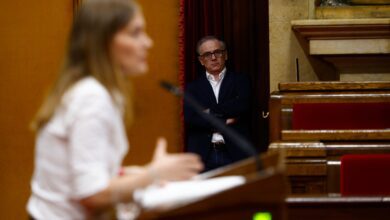
As a deputy and official group spokesperson, Ceña made the fight against depopulation and the development of infrastructure his key priorities. He repeatedly called for a greater role for Soria in regional policy, pointing out historic injustices and lack of attention from authorities. In his speeches, he often used cultural references, such as quotes from songs by Manolo García and El Último de la Fila, to highlight the need for change.
Challenges and expectations
Ahead of the new elections, Ceña again became the frontrunner of the Soria ¡Ya! list, securing support in the party primaries. His team is preparing for the campaign, aware of the responsibility after the previous election, when the party emerged as the most popular in the province. If successful, Soria ¡Ya! could strengthen its influence over decision-making in Castile and León—an especially relevant factor amid the ongoing debate about the future of small towns and rural areas.
In Spain, interest is growing in new political forces that offer an alternative to the traditional parties. Similar developments are taking place in other regions of the country, where local movements have become catalysts for change. Recently, for example, there has been discussion about the government’s role in resolving conflicts and safeguarding citizens’ interests, as illustrated by the diplomatic initiatives of Madrid—a topic covered in detail in a report on how Spanish authorities respond to international challenges— details on Madrid’s stance in crisis situations.
In recent years, Spain has seen a growing number of new regional parties gaining electoral success by focusing on local issues. In 2024, similar movements in Aragón and Extremadura also secured parliamentary representation, increasing competition among political forces. These changes reflect rising discontent among residents of small towns and rural areas, who are demanding more attention to their needs. As a result, traditional parties are being forced to reconsider their platforms and seek new approaches to infrastructure and demographic challenges.