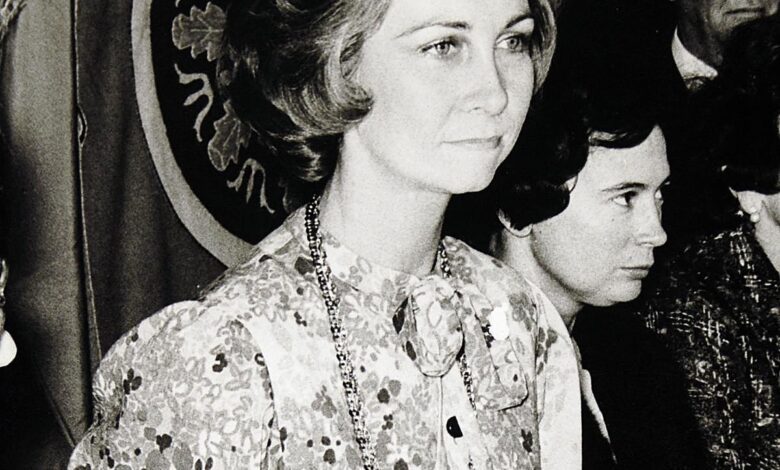
Queen Sofia, the mother of King Felipe VI, holds a special place among modern monarchs. She is the only reigning queen consort who, by birthright, is both the daughter and granddaughter of kings, and from birth, her lineage connects her to every royal house in Europe. Behind her stand generations of strong and talented women whose lives were far from fairy tales—marked by personal tragedies, political intrigue, and the constant struggle to secure their place in the world.
Among Queen Sofia’s ancestors were Queen Victoria of Britain, numerous German and Prussian princesses, the daughter of a Kaiser, a grand duchess from the Romanov family, and Victoria’s eldest daughter. All belonged to powerful dynasties. These women not only had noble origins but possessed strong characters, and many faced rejection from those around them due to their progressive liberal views or desire to participate in politics. They endured immense hardships: the loss of children, exile, and loveless marriages.
Victoria Louise of Prussia, mother of Queen Frederica and grandmother of Sofia, was the only daughter of the last German Kaiser, Wilhelm II, and great-great-granddaughter of Russian Emperor Paul I. Born in Potsdam in 1892, she married Prince Ernst August of Hanover in 1913. This was a love match, a rare happiness for the time. Victoria Louise was intelligent and athletic, a woman who adored nature, and after her husband’s death, she remained loyal to him for the rest of her life, staying a widow.
Sophie of Prussia, Queen Sofia’s paternal grandmother, was the daughter of Kaiser Friedrich III and wife of King Constantine I of Greece. Becoming Queen of Greece in 1913, she faced harsh accusations of collaborating with Germany during World War I. In one tragic episode, she saved her youngest daughter during a deliberate arson at their Tatoi residence. After being widowed, she spent the remainder of her life in seclusion in Italy.
Princess Thyra of Denmark, Queen Frederica’s grandmother, was the sister of two kings and wife of Crown Prince Ernst August of Hanover. Her life was overshadowed by severe postpartum depression and a nervous breakdown, resulting in her being placed in a clinic for six months. She passed away in 1933 and was buried in the mausoleum of Cumberland Castle.
Augusta Victoria, another grandmother of Queen Frederica, was the last Empress of Germany and Queen of Prussia, the wife of Emperor Wilhelm II. She was highly popular among the people, actively involved in charity, supported the Protestant church, and cared about women’s health. Her life was cut short in 1921 by a heart attack that occurred after the suicide of her beloved son.
Empress Victoria, great-grandmother of King Paul I, was the eldest daughter of British Queen Victoria and the wife of Kaiser Friedrich III. An art lover and advocate of liberal ideas, she had eight children, but her life was marked by family tragedies. Her time as empress lasted only 99 days. She passed away in 1901.
Grand Duchess Olga Konstantinovna Romanova, paternal grandmother of King Paul I, became the wife of George I of Greece. She dedicated herself to extensive philanthropic work. After her husband was assassinated, she was arrested by the Bolsheviks. Olga Konstantinovna married at 16 and had eight children, becoming a true pillar of support for the Greek people.
Incidentally, Queen Sofía herself was born as a Princess of Greece and Denmark on November 2, 1938, in Athens. In 1962, she married the future King of Spain, Juan Carlos I. The couple has three children: Infantas Elena and Cristina, and the current King Felipe VI. Sofía served as Queen Consort of Spain from 1975 to 2014, earning the love and respect of Spaniards for her dedication to the crown and her charitable work. After her husband’s abdication, she retained the title of queen.