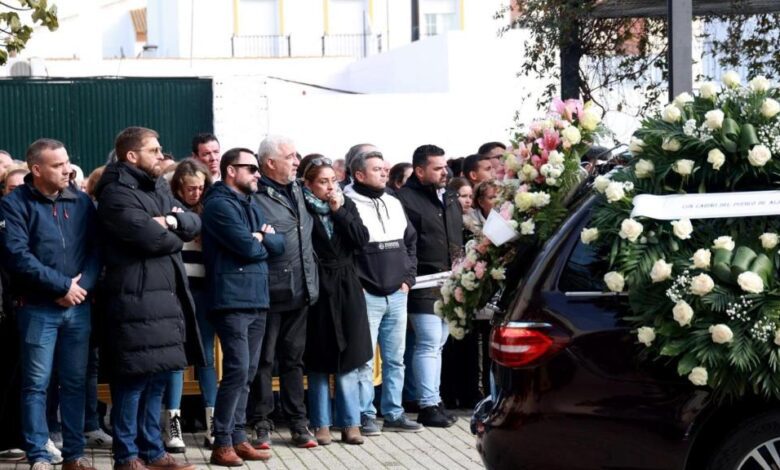
The railway tragedy in Andalucía has become a turning point for many Spaniards. After the train crash in Adamuz, which left dozens dead and hundreds injured, the victims decided to join forces. Their goal is to ensure transparency in the investigation and prevent the case from dragging on for years. For Spain, this is not just a matter of justice but a clear signal that the system for responding to such disasters needs to change.
United for justice
A group of victims, who first connected while in the hospital in Antequera, are now forming an official association. They soon plan to file a collective claim in the Montoro court to participate in the case as plaintiffs. Among them are those who lost loved ones and those left with serious injuries. People want not only to uncover the truth but also to bring about changes in how such incidents are investigated.
The WhatsApp group already has more than a hundred members, and more people are joining every day. Organizers invite anyone affected to become part of the movement. The platform’s name will be chosen at the next meeting, but it’s clear it will become the main voice for most of the accident’s victims.
Chronicle of a struggle
The court in Córdoba has already received dozens of complaints and opened numerous preliminary cases. The investigation is proving difficult: 148 proceedings have been launched based solely on medical reports. The prosecution is calling for independent experts to be involved and insists on strict oversight during the examination of the train black boxes. Authorities promise not to delay the process, but victims fear a repeat of the situation after the tragedy in Santiago de Compostela in 2013, when the legal proceedings dragged on for years.
Currently, several prosecutors are involved in the investigation, and coordination is being carried out at the regional level. However, access to key evidence, including the black boxes, is still restricted. This is causing frustration among victims and their families, who are demanding a faster process and want to avoid mistakes of the past.
Personal stories and new challenges
Among the victims are residents from different cities, many of whom have yet to recover from the shock. One of them, a young man from Punta Umbría, suffered severe fractures and cannot return to work. His father says the family does not know where to turn for help and feels lost. Such stories are becoming more common, and people are seeking support and protection of their rights.
Authorities promise a thorough investigation but admit the process may take time. Victims insist on transparency and demand their voices be heard at every stage. It is crucial that this tragedy leads to improvements in railway safety systems and does not go unanswered.
Context and consequences
Questions about the work of railway services and the actions of authorities after the accident remain unresolved. As noted in the report on the first complaints after the disaster, published earlier (details on the course of the investigation), many families are still waiting for clarity and answers. The new victims’ association could set an example for similar cases in Spain.
In recent years, the country has faced several major railway accidents. After the tragedy in Galicia in 2013, which also claimed dozens of lives, reforms in railway safety were debated, but many issues remained unresolved. Now, attention is again focused on the actions of authorities and railway companies. Spanish society is demanding change to prevent such disasters from happening again, and to ensure that victims receive proper support.